

















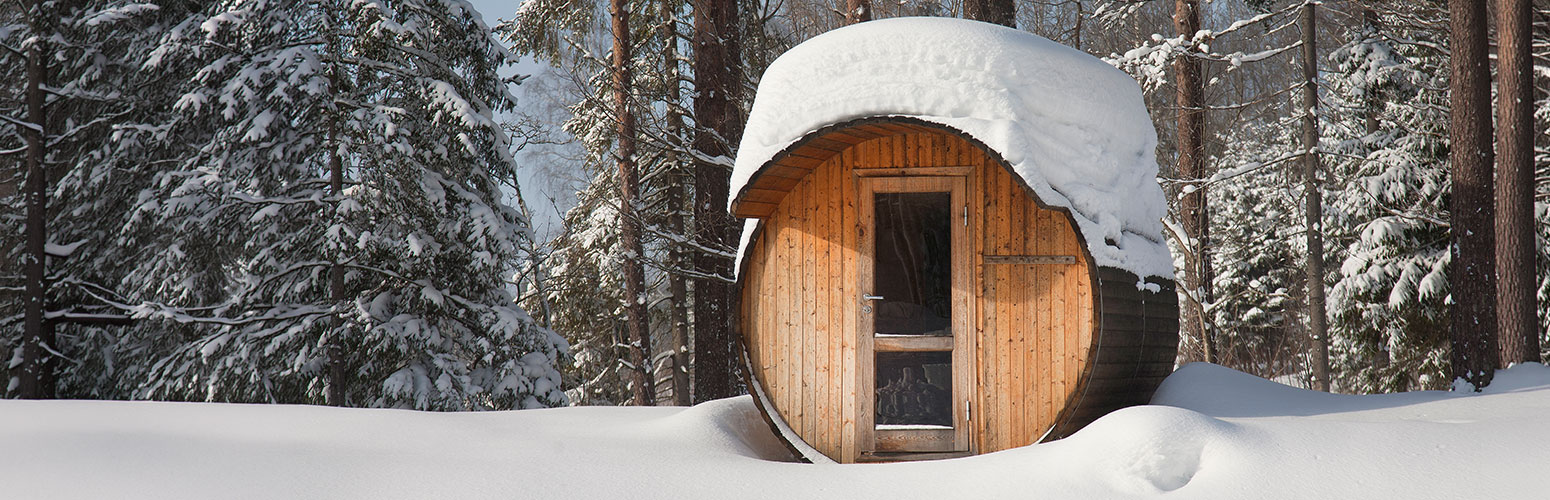
Outdoor saunas are designed to withstand harsh weather conditions, but when ambient temperatures drop to –20 °C or even –25 °C, normal operating habits are no longer sufficient. At these temperatures, the sauna is exposed not only to cold air, but to extreme thermal stress affecting wood, stone, glass, and electrical components.
Using an outdoor sauna in severe winter conditions is absolutely possible—but only when heating and cooling are done correctly. This article introduces a practical –25 °C operating protocol for outdoor saunas, focusing on controlled heat-up phases, safe cooling, and long-term durability.
Why –25 °C Is a Critical Threshold for Outdoor Saunas
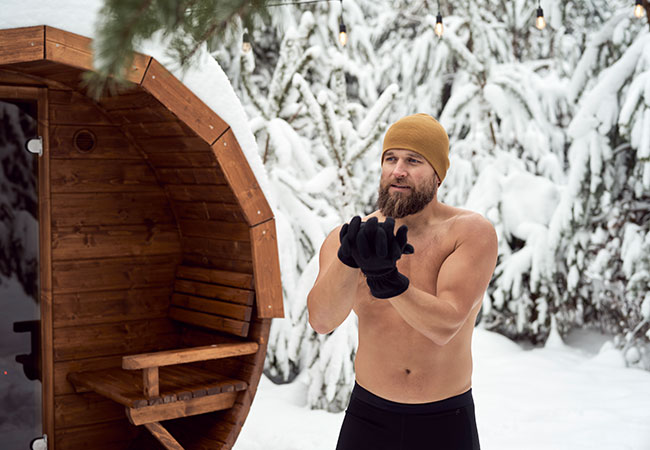
A common misconception is that –25 °C is simply “a bit colder than usual.” In reality, this temperature represents a structural and mechanical threshold where multiple stress factors occur simultaneously:
- Sauna structures are fully contracted due to extreme cold
- Stones, heater elements, and walls start at sub-zero temperatures
- Temperature differences between surfaces become extreme
- Electric heaters operate under prolonged high load
The primary risk is not the cold itself, but rapid temperature change. Damage most often occurs when a frozen sauna is heated too quickly.
Key Risk Areas in Extreme Winter Conditions
When operating an outdoor sauna at –25 °C, the following areas require special attention:
- Wooden structures. Rapid heating causes wood to expand unevenly, potentially leading to warped doors, stressed joints, or surface cracking.
- Sauna stones. Pouring water onto fully frozen stones creates thermal shock. This can fracture stones and produce harsh, uncomfortable steam.
- Condensation and moisture. Warm air condenses instantly on cold surfaces. If moisture is trapped inside the sauna after use, it may freeze overnight and degrade materials over time.
- Electric sauna heaters. Extended operation at maximum output increases energy consumption and accelerates wear on heating elements and control units.
Recommended Heating Schedule at –25 °C
In extreme cold, the most important principle is gradual and controlled heating.
Recommended –25 °C Heating Protocol:
- Phase 1: Structural Warm-Up (0–20 minutes). Operate the heater at approximately 50–60% power. The goal is to gently warm the sauna structure, stones, and air without creating steep temperature gradients.
- Phase 2: Heat Accumulation (20–40 minutes). Increase output to 70–80%. At this stage, sauna stones begin storing heat effectively, and the internal temperature rises steadily.
- Phase 3: Operating Temperature (40–60+ minutes). Only now should the heater run at full power to reach the desired sauna temperature (typically 80–90 °C).
At –25 °C, total heat-up time can be 30–50% longer than under moderate winter conditions. This is normal and should be expected.
Why Full Power from the Start Is a Bad Idea
Switching the heater to maximum output immediately creates extreme temperature differences between:
- The stone surface and stone core
- The air and structural elements
- Heater components and surrounding materials
This increases the risk of material fatigue, stone damage, and unnecessary stress on the heater. Controlled heating improves comfort, safety, and longevity.
Cooling Down: The Forgotten but Essential Step
Correct cooling is just as important as proper heating—especially in winter.
After sauna use, it is recommended to:
- Avoid sealing the sauna immediately after switching off the heater
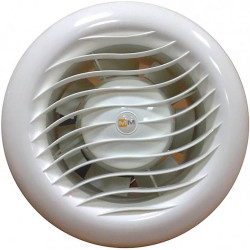
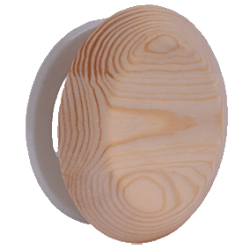
- Allow brief ventilation while the interior is still warm
- Let excess moisture escape before temperatures drop again
If warm, humid air is trapped inside a closed sauna, condensation may freeze overnight. Over time, this can damage wood, fasteners, and fittings.
Energy Consumption in Extreme Cold
Extreme cold does not automatically mean excessive electricity costs, but it does affect usage patterns:
- Longer heating times
- Extended periods of high heater output
- Greater sensitivity to insulation quality
A well-insulated outdoor sauna at –25 °C often consumes less energy overall than a poorly insulated sauna at –10 °C. Insulation quality is one of the most important factors in winter efficiency.
Common Winter Operating Mistakes
- Heating at full power from the first minute
- Pouring water onto frozen stones
- Leaving the sauna closed and humid overnight
- Using summer ventilation settings in winter
When It’s Better to Wait
In some situations, patience is the best option. Consider delaying sauna use if:
- The sauna has not been heated for a long period
- Interior surfaces are heavily damp
- Insulation is minimal or compromised
In such cases, a slower warm-up—or waiting for milder conditions—can prevent long-term damage.
Conclusion
Outdoor saunas can be safely enjoyed even at –25 °C, but extreme cold demands discipline. Gradual heating, controlled cooling, and moisture management are essential for safety, comfort, and durability. A proper –25 °C protocol is not a limitation—it is an investment in the long-term performance of your sauna.