

















Outdoor pool season opening in Lithuania usually begins in late spring, when the weather becomes more stable and daytime temperatures increasingly rise above 10 °C. It is not recommended to wait too long — as the water warms up, algae begin to multiply more rapidly, the water may turn green, and restoring it later will require more chemicals, time, and effort. Proper pool preparation after winter helps start the swimming season faster, protects the equipment, and prevents the most common springtime issues.
This guide is suitable for both above-ground frame pools and in-ground pools. The main differences are the complexity of the equipment, the filtration system, and the scope of maintenance work, but the overall logic remains the same: first mechanical cleaning, then inspection of the filtration system, water circulation, and only after that — balancing the pool chemistry.
When should you open the pool season?
If you have a pool heat pump, the season can be started earlier and more comfortably. A heat pump is one of the most efficient solutions for the Lithuanian climate because it uses heat from the ambient air and helps maintain a more pleasant water temperature without extremely high electricity consumption. Solar heaters in Lithuania can only be used as an additional solution for small pools and should not be considered the main heating method.
First steps
- Removing winter protection accessories, plugs, and floats.
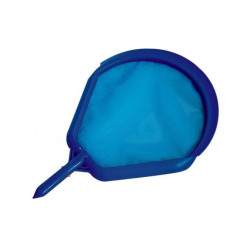
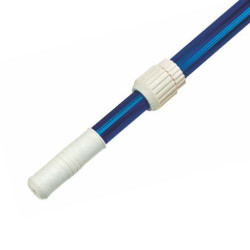
- Removing large debris: use a special pool net to remove leaves, branches, and other dirt from the water surface and pool bottom.
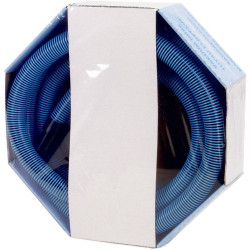
- Inspection and installation of technical equipment: install the pump, filter, and other equipment if they were removed for winter. Check all connections for cracks and ensure there is no air in the system. Inspect skimmers, nozzles, ladders, hoses, pipelines, the pump, and the filter.
- Draining excess water.
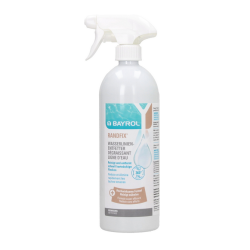
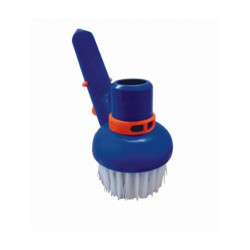
- Cleaning the pool walls and floor: thoroughly scrub the pool walls, steps, and floor with a brush to remove accumulated algae and deposits. The waterline should be cleaned using professional products (RANDFIX Pool Line Cleaner).
- Refilling the pool water to the correct level — usually up to the middle of the skimmer. The filtration system must not be started if the pump has no water or if valves in the system are closed.
- Adjusting water parameters and pH levels.
- Selecting and dosing pool chemicals.
How to clean the pool after winter?
First, remove large debris using a pool net. Then clean the walls, floor, corners, steps, and areas around the nozzles with a brush. Even if the water appears relatively clean, a thin layer of dirt and algae often forms on surfaces during winter.
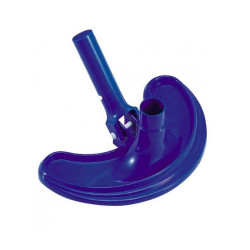
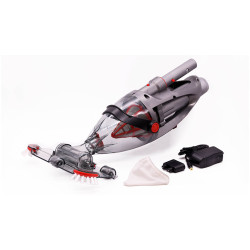
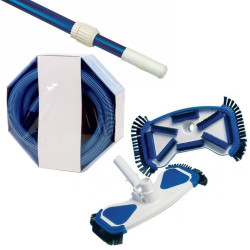
After brushing, the pool floor should be vacuumed. If the water is very dirty, it is better to vacuum directly to waste or sewer mode instead of through the filter, if such a function is available. This prevents overloading the filter with excessive debris. For above-ground pools, a manual pool vacuum is often sufficient, while for larger in-ground pools, a robotic pool cleaner is a very convenient solution.
Starting the filtration system
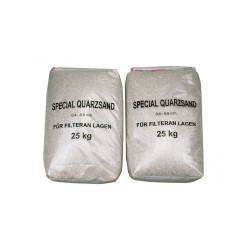
Before starting the filtration system, check all fittings, hoses, gasket condition, and valve positions. At the beginning of the season, it is recommended to perform a backwash for sand filters or replace the filter media with new material. Filter sand is usually replaced every 2 years, while filter glass media lasts around 5 years. If the filter is old, restricts water flow, or clogs quickly, the start of the season is a good time to replace it.
After starting the pump, monitor whether the system operates smoothly and check for air bubbles, water leaks, or unusual noises. During the first days after opening the pool, longer filtration times are recommended — often 24–48 hours continuously, especially if the water is cloudy or green.
Pool chemistry: pH, chlorine, and algaecides
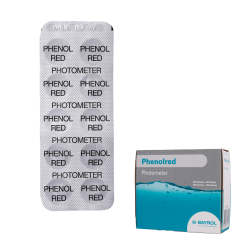
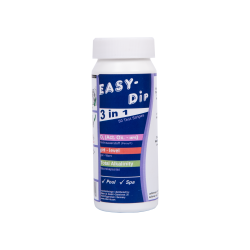
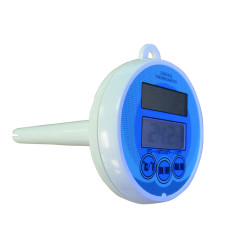
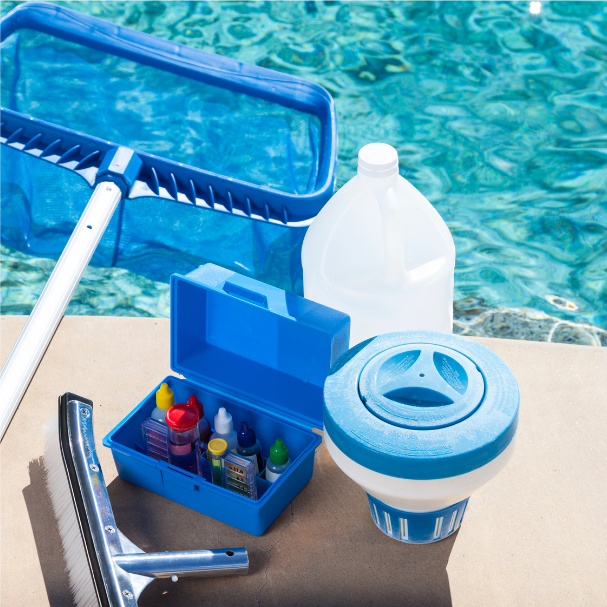
Pool chemicals should never be added “by eye.” First, water parameters must be measured using test strips, a manual or electronic tester. The most important parameters are pH, free chlorine or active oxygen, and total alkalinity.
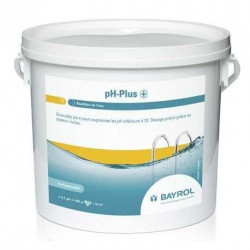
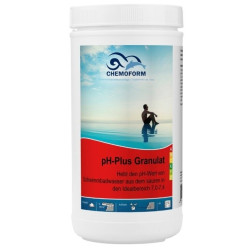
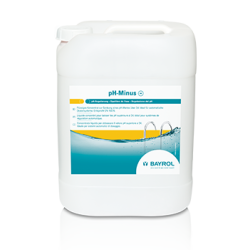
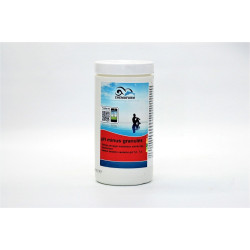
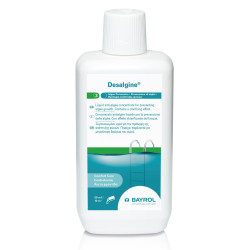
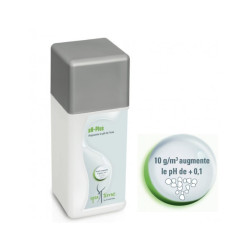
Start by adjusting alkalinity and pH. The correct pH level should generally be around 7.2–7.6. If the pH is too high or too low, chlorine becomes less effective or may not work properly at all, and the water may irritate the eyes. Once the pH is balanced, a chlorine shock treatment can be performed. Algaecide is used as an additional algae prevention measure, but it does not replace chlorine or proper filtration.
What is the difference between preparing an above-ground and an in-ground pool?
Opening the season for an above-ground pool is usually simpler because the system has fewer pipelines and less equipment. However, these pools cool down faster, so using a floating pool cover and a properly selected heat pump is highly beneficial. A common mistake is using an undersized filter or running the filtration system for too short a period.
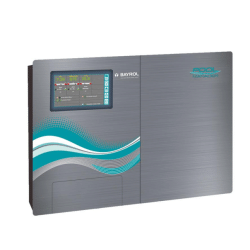
In-ground pools require more attention to the technical side: pipelines, valves, skimmers, nozzles, lighting, automatic chemical dosing stations or salt chlorination systems. For larger pools, investing in a robotic pool cleaner, a high-quality cover, and a heat pump is especially worthwhile, as these solutions directly reduce maintenance time and help maintain clean and warm water for longer.
Most common mistakes when opening a pool in spring
People often forget to inspect the filter, pump, and water circulation system. A pump must never be started without water, and filter valves should not be switched while the pump is running. Another common mistake is ignoring pH levels. Even if enough chlorine is added, improper pH can result in poor disinfection performance.
What should you buy for the start of the season?
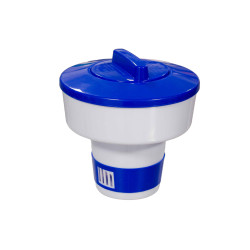
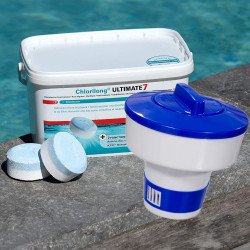
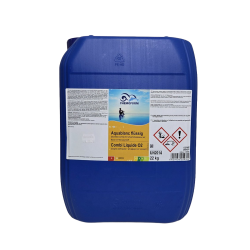
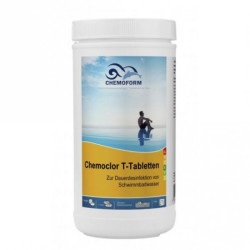
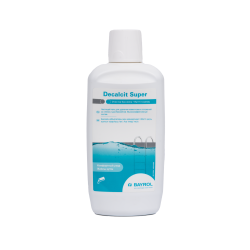
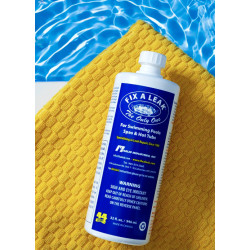
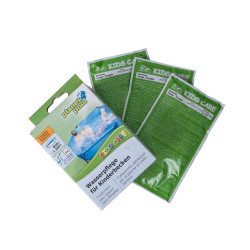
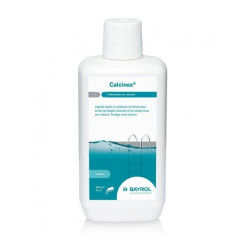
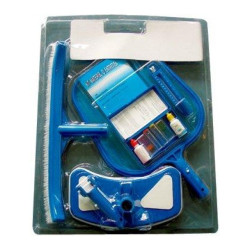
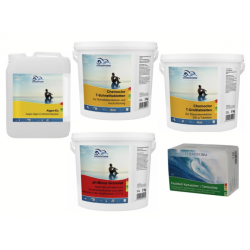
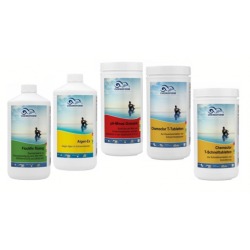
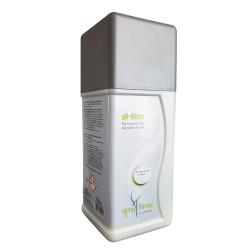
Before the season begins, it is worth preparing a complete maintenance kit: a water tester, pH minus or pH plus chemicals, fast-acting chlorine for shock treatment, slow-dissolving chlorine tablets (for ongoing disinfection), algaecide, clarifier, a pool net (leaf skimmer), a cleaning brush (for floor cleaning) and replacement filter cartridges or filter media.
Conclusion
Proper outdoor pool preparation for the season starts not with chemicals, but with a correct maintenance sequence: mechanical cleaning, filtration system inspection, water circulation, and only then balancing the pool chemistry. To enjoy comfortable pool use in Lithuanian climate conditions, it is worth investing not only in chemicals, but also in an efficient filtration system, a high-quality pool cover, and proper pool heating solutions.