


















In recent years, infrared rays have become one of the hottest wellness trends — and not because of the temperature.
Infrared face masks, heat therapies for muscles, infrared procedures in beauty and rehabilitation — all of this is based on the same principle: a deep, direct effect on tissues.
So it’s only natural to ask — if infrared rays are so valued for localized treatments, what can they do for the entire body in an infrared sauna?
And no, it’s not a trend “from Instagram.” Although… Instagram has something to say here too.
Why have infrared rays become so popular right now?
In recent years, infrared technology has simply exploded in the wellness market:
- women are massively buying infrared masks for the face, neck, and hair
- gyms are installing infra recovery zones
- beauty clinics are using localized infrared heat
Why?
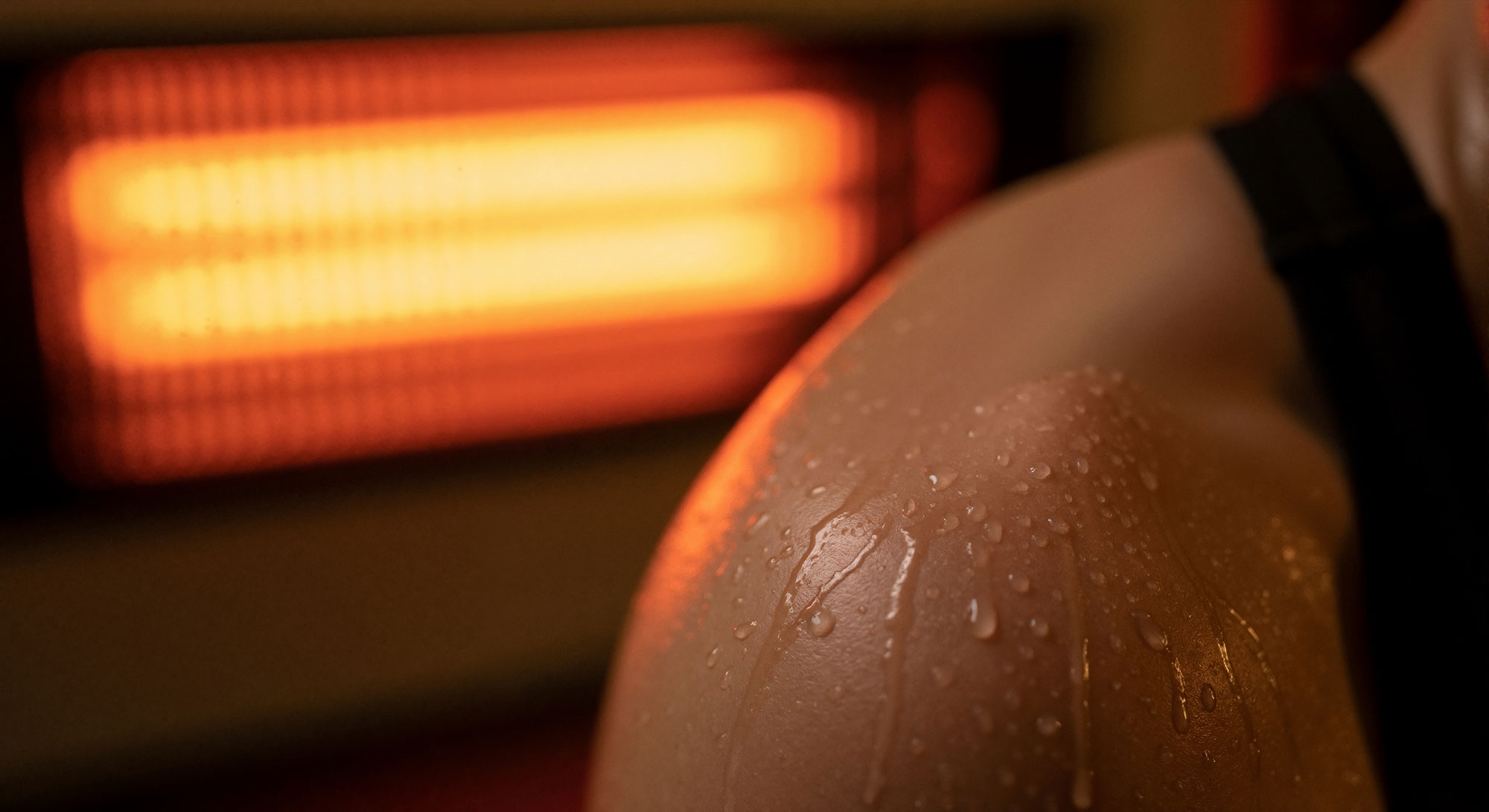
Because infrared rays don’t heat the air — they act directly on tissues.
That means: less stress for the body, more real impact.
A logical question:
if an infrared face mask is considered a “super treatment,” what does a full infrared sauna do for the whole body?
The short answer — the same, just broader and deeper.

How do infrared rays work (simply, without a physics exam)
Infrared rays:
- penetrate tissues 3–5 cm deep
- warm muscles, joints, and blood vessels
- stimulate circulation and metabolism
Most importantly:
heat moves from the inside out, not the other way around.
That’s why in an infrared sauna:
- the air temperature is usually 40–60 °C
- but the body sweats actively
- the heart rate rises gently, without a “heat shock”
And that’s the answer to skeptics who say:
“If it’s not hot, it doesn’t work.”
It works. Just differently.
Why is the temperature lower, but the effect deeper than in a traditional sauna?
In a traditional sauna:
- the air heats up first
- then the skin
- then the body tries to adapt
In an infrared sauna:
- the rays affect the body directly
- less energy is spent on adaptation
- more — on recovery
That’s why an infrared sauna:
- is less exhausting
- lets you stay longer
- is suitable for more frequent use
It’s no coincidence that athletes choose it between workouts — for recovery.
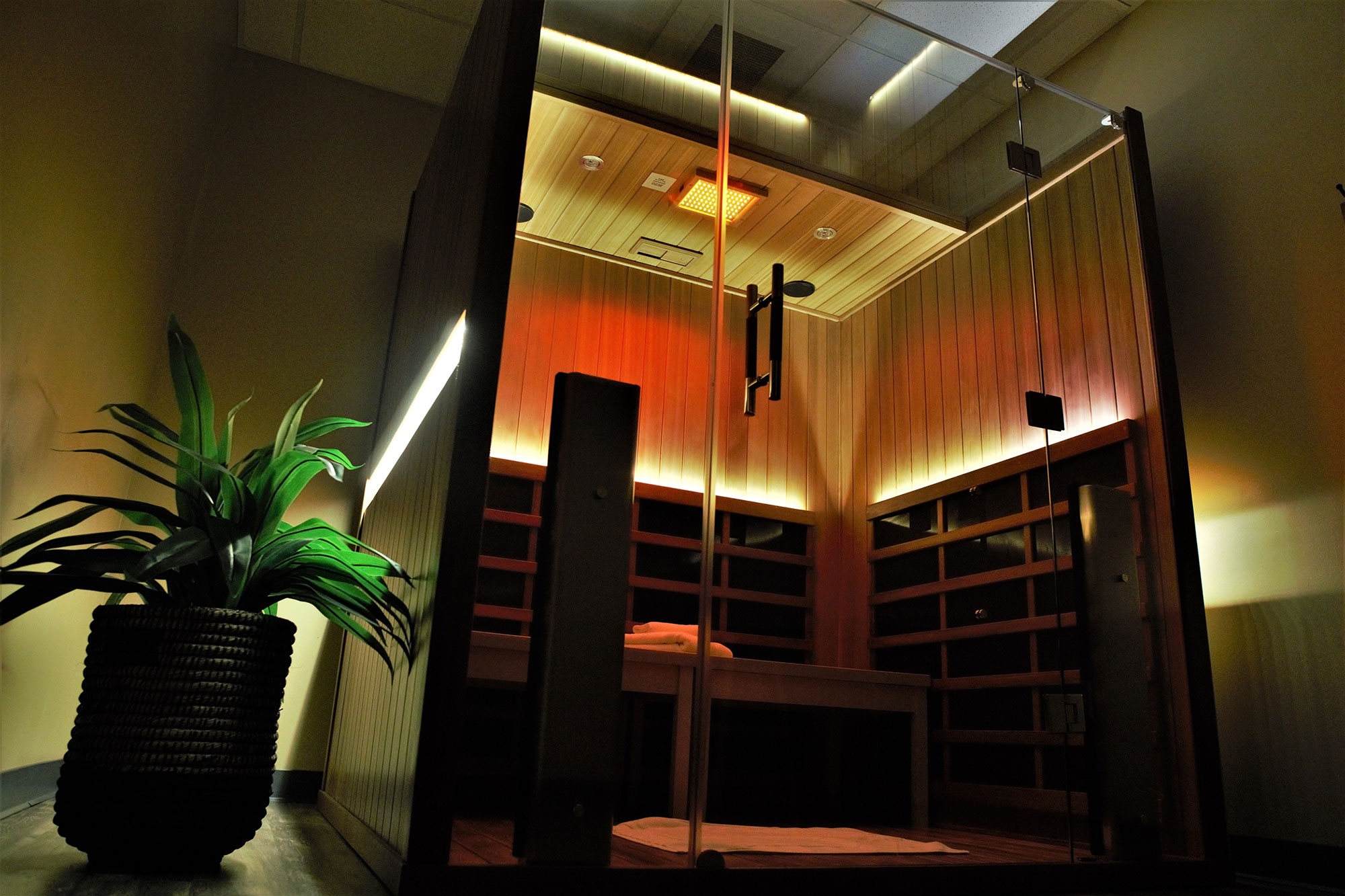
Therapeutic and wellness benefits of an infrared sauna
For athletes
- faster muscle recovery
- reduced inflammation
- less muscle “stiffness”
- help after intense workouts
For the nervous system
- reduces stress
- helps you sleep better
- suits people with increased sensitivity to heat
For joints and muscles
- useful for chronic pain
- suitable for rehabilitation
- often recommended by physiotherapists
For beauty
- improves circulation in the skin
- promotes cell renewal
- helps deliver oxygen to the skin more effectively
For overall well-being
- supports detoxification through sweating
- improves circulation
- supports the immune system
What do infrared sauna users most often misunderstand?
- They expect the “sauna feeling”
An infrared sauna is not about steam, sauna whisks, and heat up to your ears. It’s about how your body feels. - They stay for too short a time
5–10 minutes is just a warm-up. Optimal is 20–40 minutes. - They use it too rarely
An infrared sauna works through regularity, not extremity. - They compare it to a wood-fired sauna
That’s like comparing yoga to weightlifting. Both are good — for different goals.
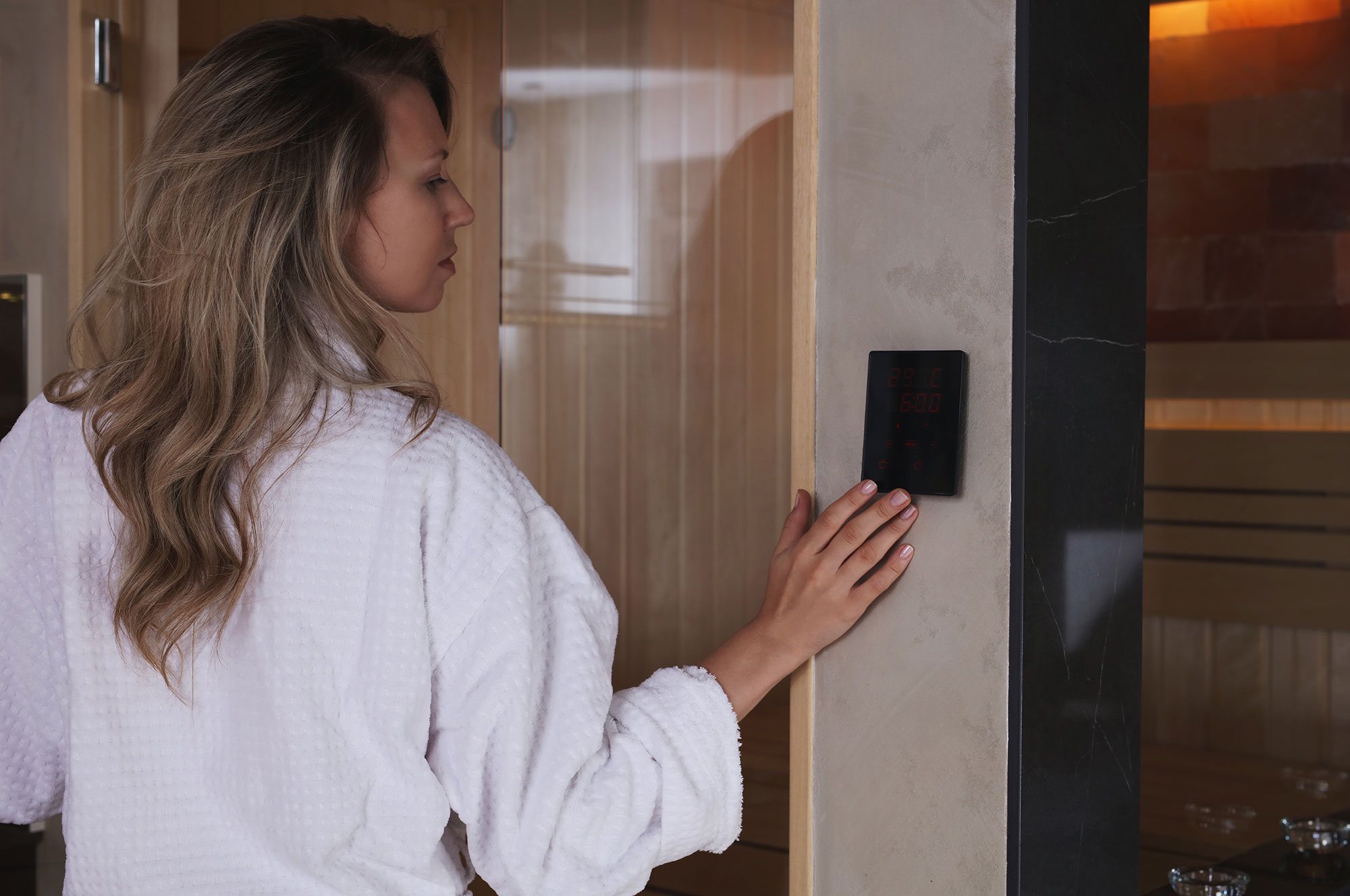
Advantages of building and owning an infrared sauna
Practical people really like this:
- no chimney needed
- fast warm-up
- lower energy consumption
- easy maintenance
- suitable for homes, sports spaces, rehabilitation
No wonder that in the pirtiesprekes.lt assortment, infrared saunas and their components are often chosen as a second sauna alongside a traditional one.
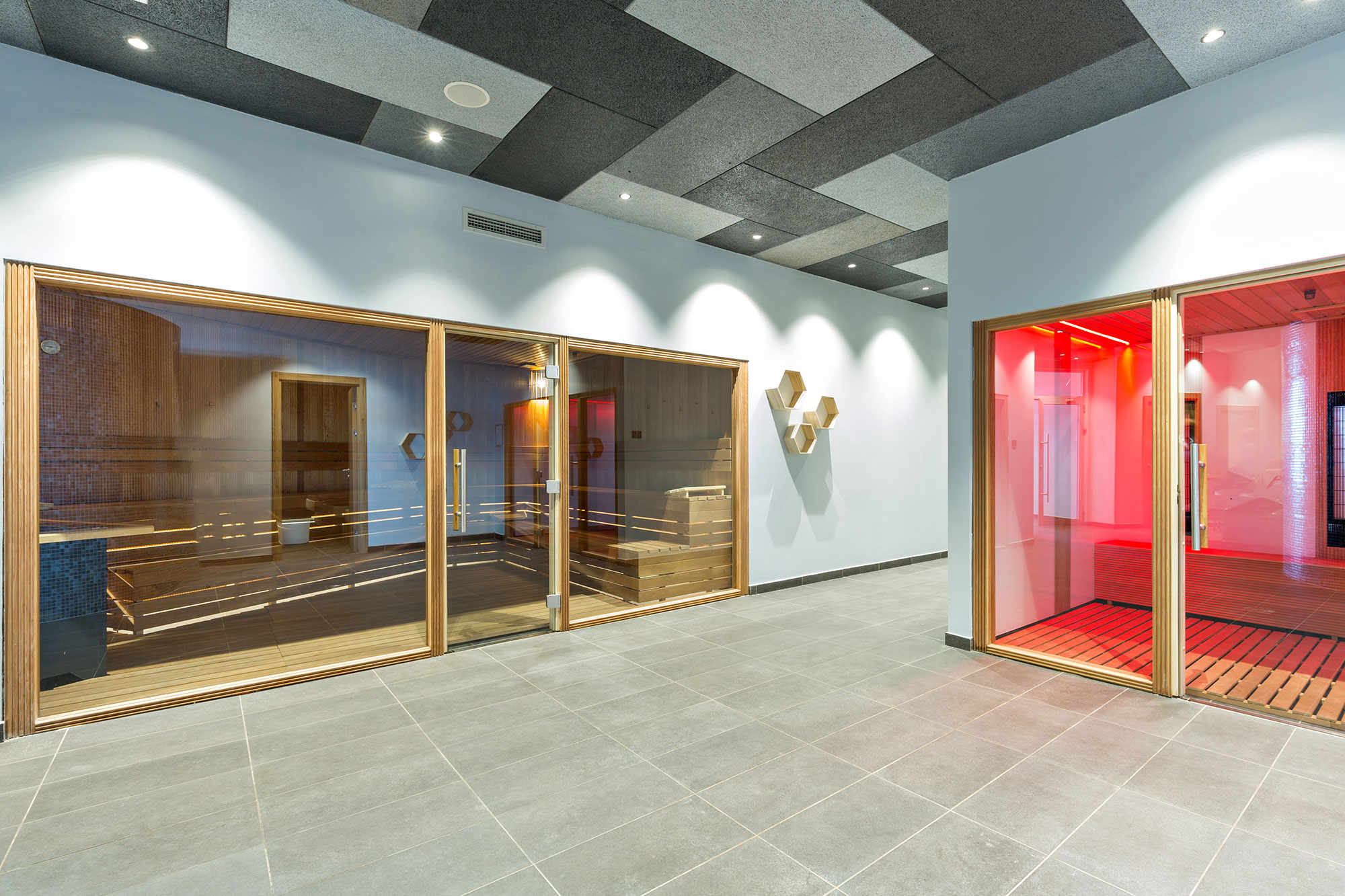
How to use an infrared sauna correctly?
How often?
- 3–5 times per week
- for athletes — even daily (depending on how you feel)
Duration
- 20–40 minutes
- at first — shorter, later longer
“Rounds”
- most often 1 session
- no need to run in and out like with a steam sauna
Important
- drink water
- after the sauna, let your body cool down naturally
Can you do any procedures in an infrared sauna?
Yes — and that’s a big plus.
Popular options:
- face and body oils
- skin hydration treatments
- breathing exercises
- stretching (athletes love this)
Infrared heat helps absorb active ingredients better — similar to infrared face masks, but for the whole body.
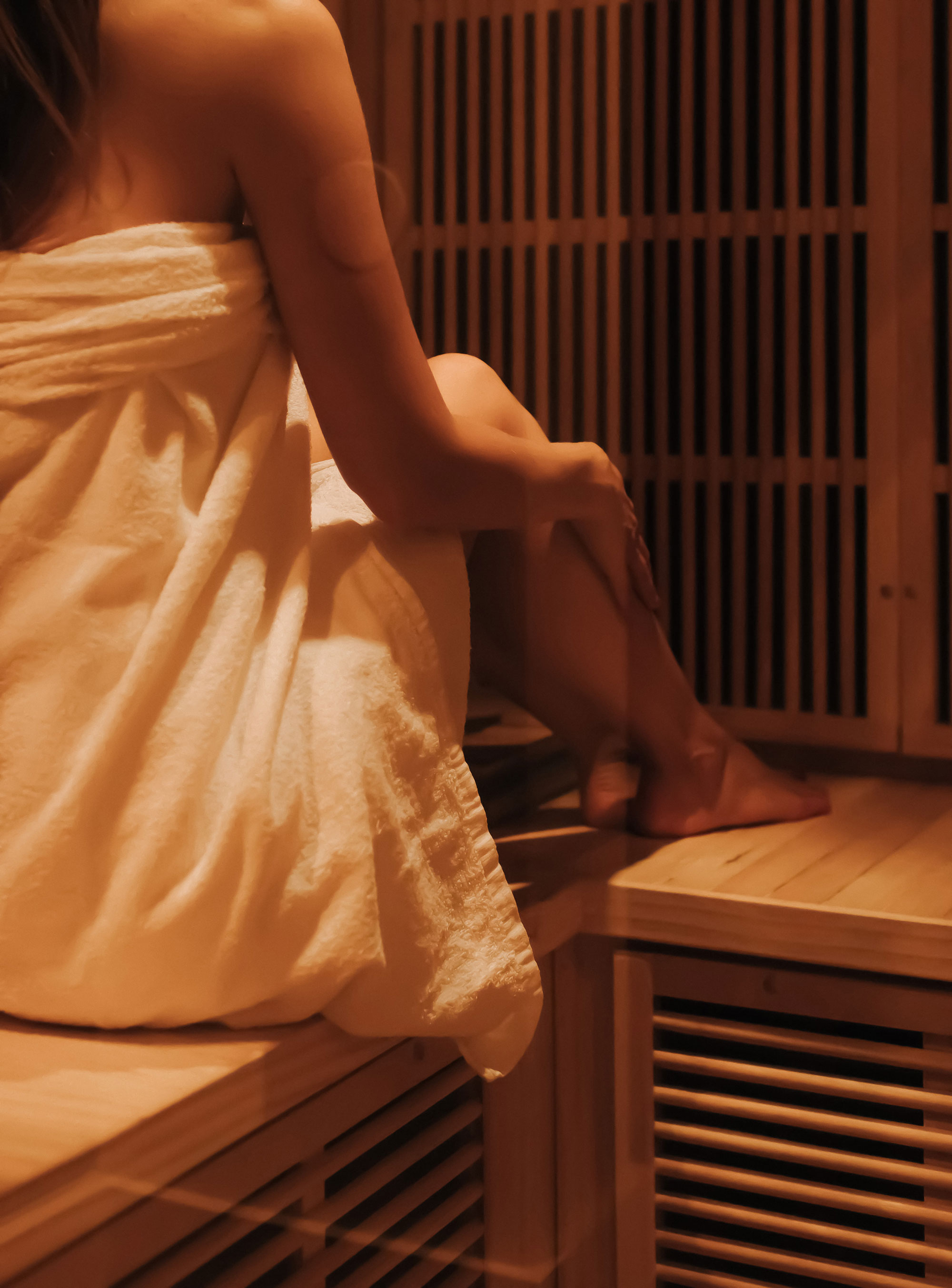
In closing: an infrared sauna is not for everyone — but it’s perfect for those who need it
An infrared sauna:
- is not the enemy of a wood-fired sauna
- is not a “weaker version”
- is a modern, science-based wellness solution
If you’re looking for a way to:
- feel better
- recover faster
- use a sauna more often, without overheating
…an infrared sauna can become your best daily habit.
At first glance, an infrared sauna may look like just another modern wellness trend. And there’s nothing wrong with that — trends often draw attention to things that actually work.
But the difference is that infrared rays aren’t limited to pretty photos or short-lived impressions. They’re chosen by those who care more about results than looks — athletes, physiotherapists, sauna specialists. Not because it’s “trendy,” but because it’s practical, gentle on the body, and suitable for regular use.
That’s why an infrared sauna today sits somewhere between two worlds — visible on social media, yet increasingly valued by professionals. Perhaps that’s why an infrared sauna lands right where trend meets proven practice.