

















Can You Pour Water on an Electric Sauna Heater? Proper Water Use in the Sauna
An electric sauna heater is one of the most popular solutions for both home saunas and commercial sauna and SPA projects today. Along with its popularity, one common question often arises: can you really pour water on an electric sauna heater, and if so – how should it be done correctly?
The short answer is yes, it is possible. However, this is only true when certain rules are followed. In practice, situations often occur where water is poured excessively, without considering the heater’s design or the condition of the stones. Over time, this can lead to technical issues and significantly shorten the heater’s lifespan.
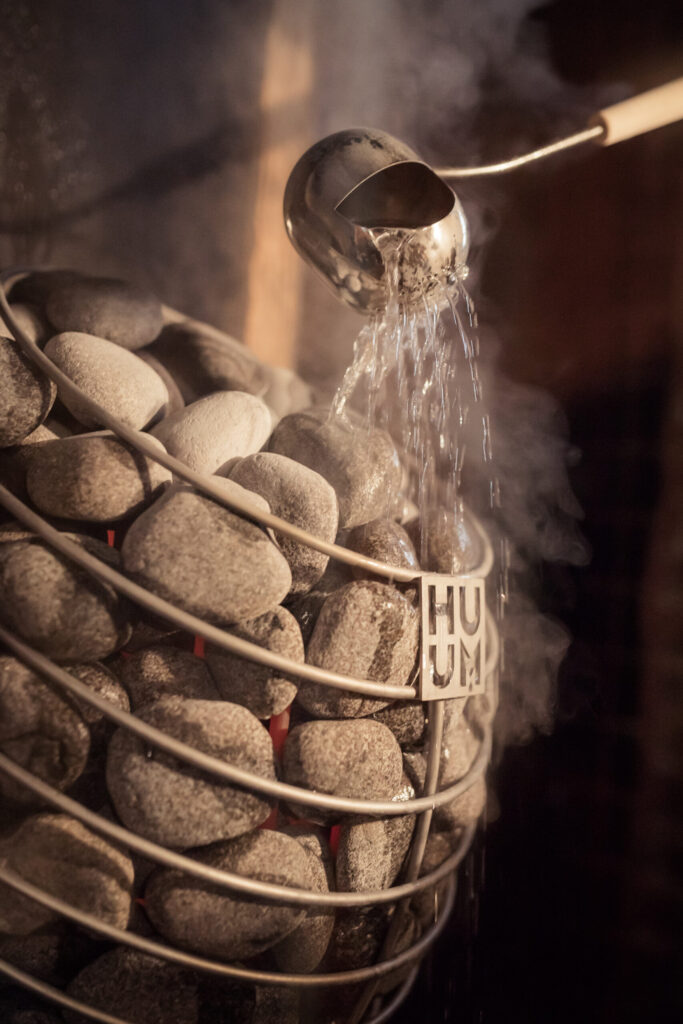
Why Is Water Poured on the Sauna Heater, and Where Should It Be Applied?
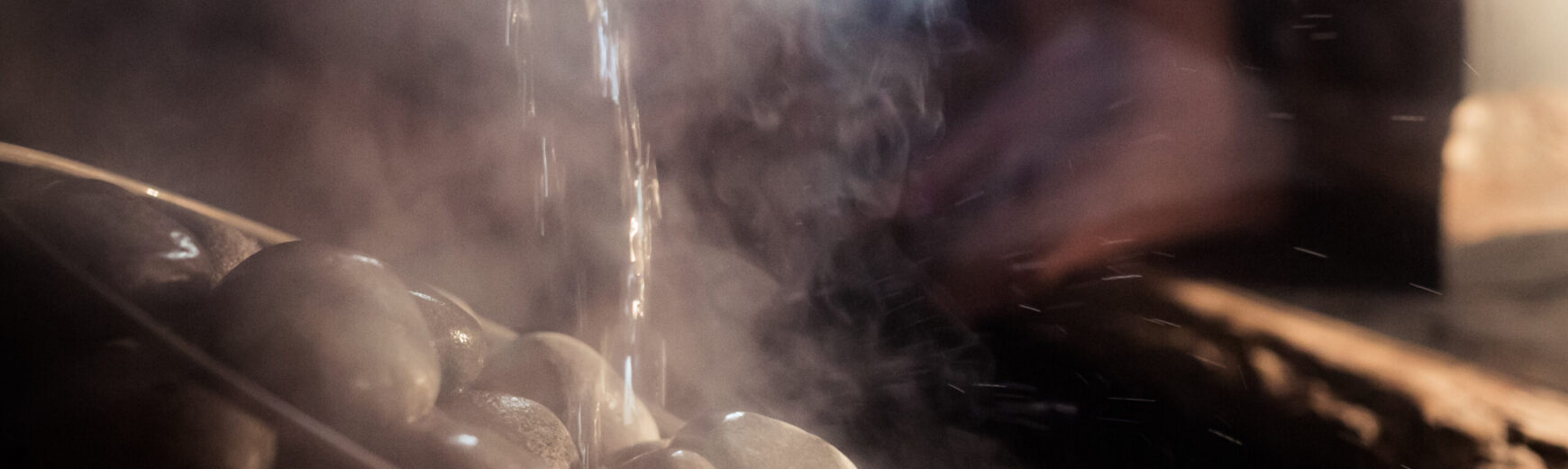
Water is poured on sauna heater stones not to increase humidity, but to create steam. When a small amount of water hits properly heated stones, it instantly turns into hot steam, known as löyly. In Estonian, this effect is also referred to as garas, and it is what creates a softer, more even, and more pleasant sauna heat.
Properly generated steam improves the overall sauna experience, makes breathing easier, and helps prevent excessively dry air. The key condition is that water must come into contact with hot stones – not with the heater’s internal metal components.
The Most Common Mistake – Incorrect Water Use or Unsuitable Stones
One of the most common mistakes when using an electric sauna heater is pouring water in the wrong places or using excessive amounts. This typically happens when there are too few stones in the heater, when stones are stacked incorrectly, when there are too many stones, or when water is poured before the stones have reached proper operating temperature.
Sudden temperature changes caused by excess, non-evaporated water place additional stress on heater components. Over time, this may trigger safety systems or cause other operational issues that could easily be avoided by following basic usage guidelines.
Water that does not evaporate from insufficiently heated or unsuitable stones and instead runs down inside the heater often causes recurring technical problems. The most common issue is increased stress on the heating elements, which experience rapid temperature fluctuations. Under such conditions, heating elements wear out faster and may eventually fail.
In addition, repeated water exposure in the lower sections of the heater can promote oxidation of metal parts, affect electrical connections, or damage insulation materials. Over time, this may lead to unstable heater operation, activation of safety protections, or the need for repairs. This is why water must always evaporate from the stone surface rather than flow down inside the heater.
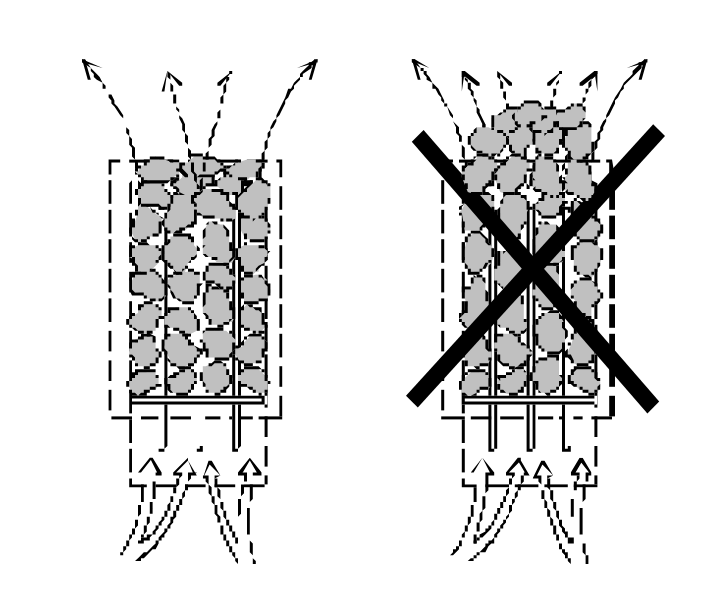
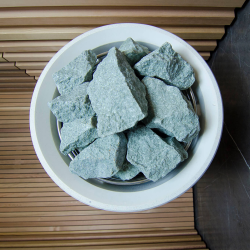
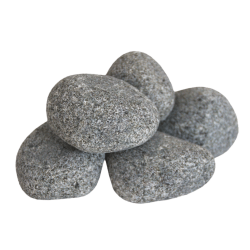
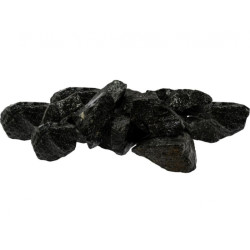
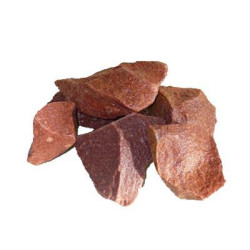
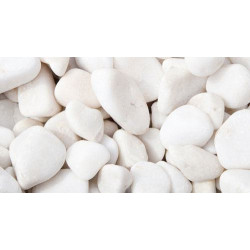
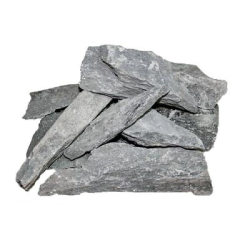
An equally important but often overlooked issue is the use of unsuitable sauna stones. An electric sauna heater must only be used with stones of the type, size, and quantity recommended by the manufacturer. Information about which stones are suitable for a specific heater and how many should be used is always provided in the manufacturer’s instructions, and these technical requirements should always be followed.
Unsuitable or heater-incompatible stones may crack prematurely, retain excess moisture, restrict air circulation, or distribute heat unevenly. As a result, water does not evaporate from the stone surface but instead flows downward, causing sudden temperature changes and additional stress on internal heater components. Over time, such conditions may lead to safety system activation or other malfunctions that could be easily avoided by selecting proper stones and following the manufacturer’s guidelines.
How to Properly Pour Water on Electric Sauna Heater Stones
Correct water application on sauna heater stones is one of the most important factors influencing both sauna comfort and the longevity of the heater.
Pour Water Only on the Stones
Stones play a critical role inside the heater – they absorb heat and distribute it evenly. Properly stacked stones should cover the heater interior without being tightly compressed. If metal parts are visible, it usually means there are too few stones or they are incorrectly placed. If stones protrude significantly above the top of the heater or the heater body begins to deform outward, too many stones have been used.
Use Small Amounts of Water
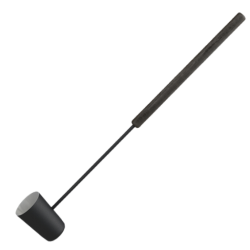
Electric sauna heaters require moderation. It is recommended to pour approximately 50–150 ml of water at a time. It is better to add water gradually, allowing short pauses while observing how steam forms.
If water runs off the stones instead of evaporating instantly, it is a clear sign that too much water has been used.
Pour Water Only on Fully Heated Stones
Water should never be poured onto a heater that has not yet fully heated up. Stones must be hot enough for water to instantly turn into steam. This helps prevent excess moisture and unnecessary stress on the heater’s structure.
If stones are not sufficiently heated, water does not evaporate and instead flows downward between the stones. In the lower part of the heater, heating elements and electrical connections are typically located, and they are not designed for direct or sudden contact with water.
In such cases, water causes rapid temperature fluctuations, increases stress on internal components, and over time may lead to operational issues. This is why water should only be poured once the heater has reached its operating temperature and the stones are fully heated.
Use Only Clean Water
Water used in the sauna should always be clean. Salt, essential oils, or other additives should never be poured directly onto the stones. These substances may accumulate in the stones, create unpleasant odors, and negatively affect heater performance over time.
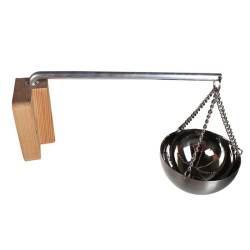
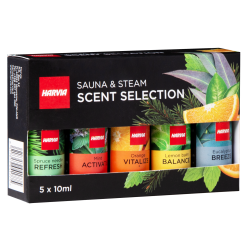
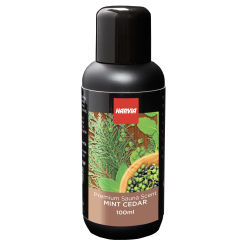
For aromatherapy, dedicated aroma cups or specially designed vaporization systems should be used.
The Importance of Stones in an Electric Sauna
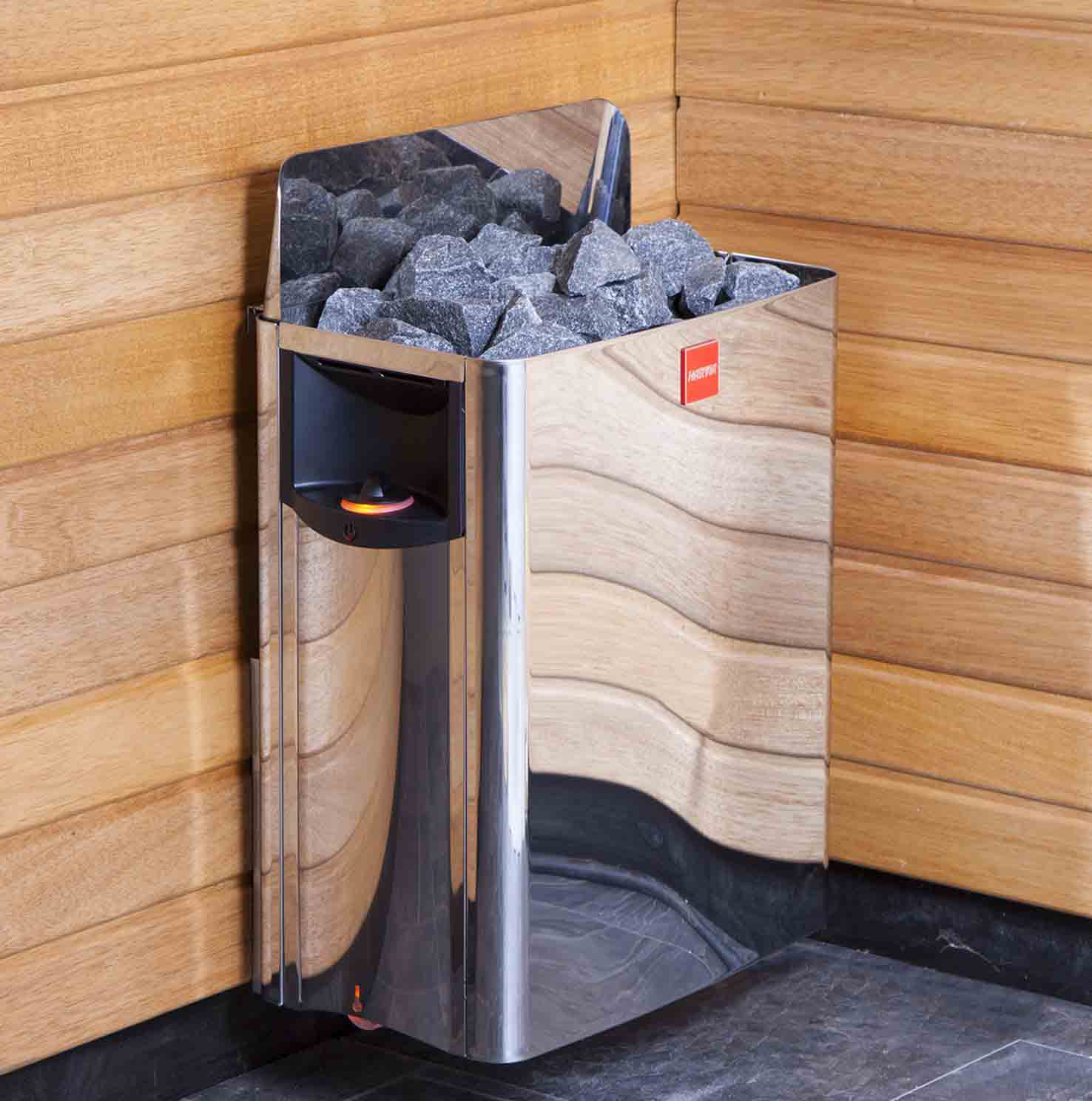
Stones are one of the most important components of an electric sauna heater. Even a high-quality heater cannot function properly if unsuitable or worn stones are used.
It is recommended to use only stones specified by the manufacturer, regularly inspect them, and replace any that are cracked or excessively worn. It is also important not to overload the heater – stones packed too tightly restrict air circulation and can negatively affect the heating process.
Conclusion: Proper Water Use Is the Foundation of a Long-Lasting Sauna
Water is essential in an electric sauna to create quality steam, but it must be used responsibly. Proper water application improves the sauna experience, creates softer heat, and helps keep the heater in good condition for many years.
If there are any doubts regarding stone quantity, stone placement, or water use, it is best to clarify these details in advance. This ensures the sauna remains not only enjoyable, but also reliable.