


















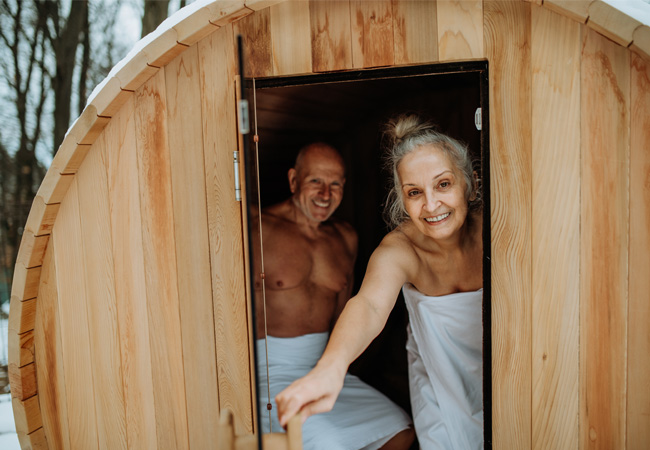
As the colder season approaches, it’s important to pay attention not only to the heating systems but also to the smaller details of the sauna. A well-maintained sauna not only retains heat more efficiently but also lasts longer. In this article you’ll find a checklist and concrete tips on how to take care of sauna doors, fittings, insulation, and thermometers-hygrometers.
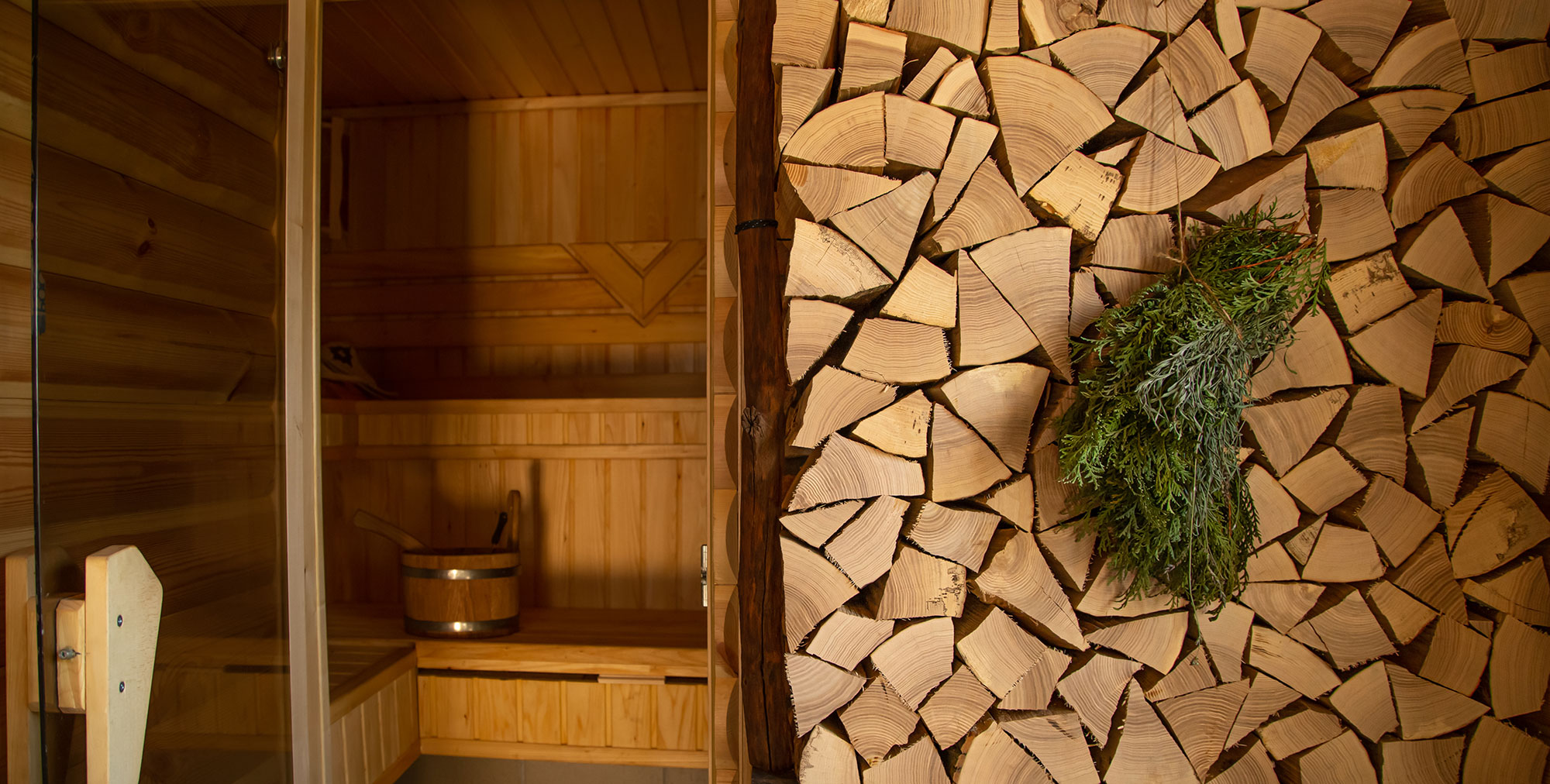
1. Door sealing and gaskets
Sauna doors are one of the most critical links when it comes to heat loss and comfort. Before winter it is recommended to perform the following actions:
- Check whether the door closes hermetically — look for gaps where cold air can “blow in” or where wind can be felt. It is said that doors and windows are often the weakest points.
- Check the condition of the gaskets — rubber or silicone seals wear out and lose elasticity, allowing air to circulate.
- If necessary — replace or supplement the gaskets so the door presses tightly. This step helps reduce heat losses and energy consumption.
- Door hardware (handles, hinge mechanisms) must operate smoothly — if the door “sticks”, proper sealing may not form and the gasket won’t be effective.
2. Insulation and door trims

Doors are not just about gaskets. Insulation around the door frame, trims and hardware are significant.
- Check the insulation of the door frame — look for cracks, splits, or gaps around door glass (if present). For example, for outdoor saunas it is recommended to regularly inspect insulation so cold does not enter through walls or doors.
- Ensure that the metal parts of the door hardware are not scaled or corroded — moisture and condensed vapor can damage the hardware, which later reduces the structure’s tightness.
- If the sauna is outdoors, it is recommended to protect trims and frames from moisture and cold — for example, use wooden trim strips that help press the door additionally.
3. Calibration: Thermometers, hygrometers, temperature and humidity control
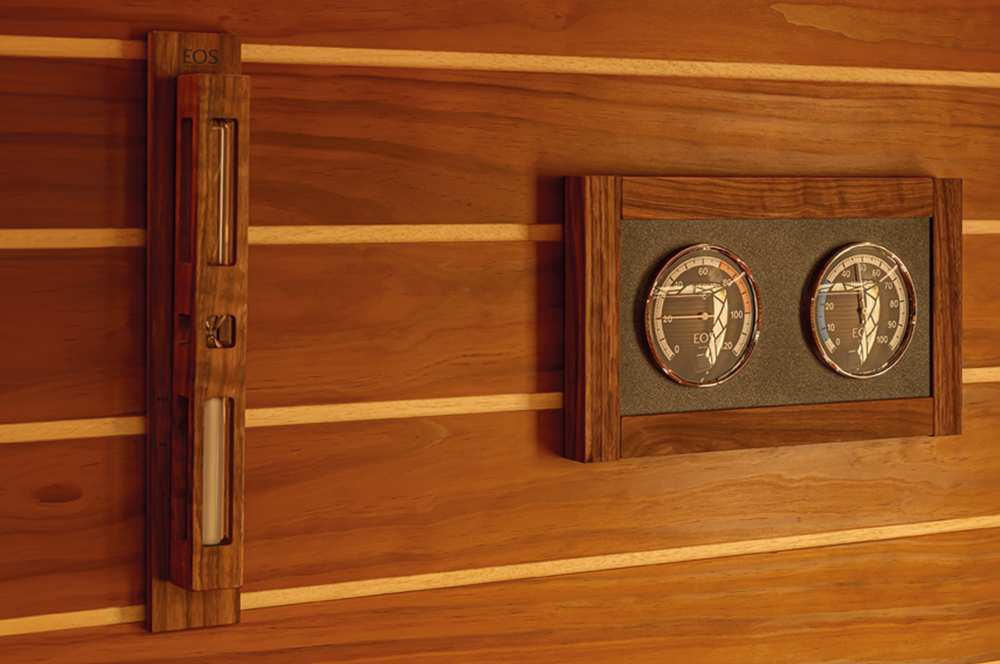
Cold winter often means the sauna microclimate can change: temperature may be lower, humidity higher — this affects both comfort and the structure. Therefore:
- Check that you have reliable thermometers and hygrometers — they are necessary to monitor whether the temperature and humidity inside the sauna are within acceptable ranges. When humidity is excessively high, the risk of wood deformation and mold increases.
- Perform calibration or check readings — temperature readings must be accurate, especially before winter when differences can have a greater impact.
- Ensure ventilation works properly — even with good doors, if air circulation is poor, humidity can accumulate. Tip: after use, leave the door ajar or open for ventilation.
- Set safety limits: excessive humidity or too low/high temperature can alter the wood’s condition, affect insulation, or shorten the equipment’s lifespan.
4. DIY checklist
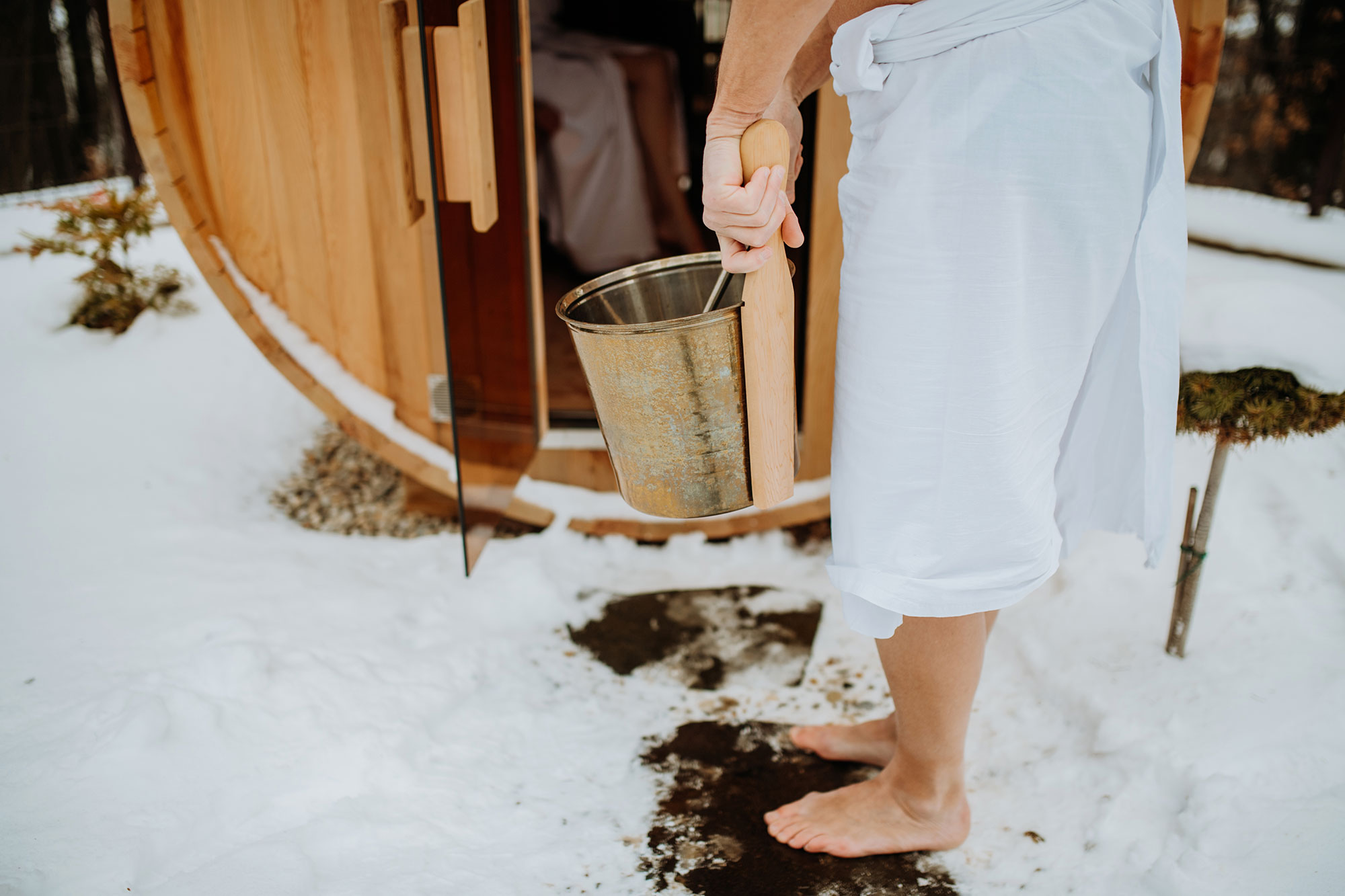
To summarize — here is a quick pre-winter checklist to follow:
- Door inspection: does the door close tightly, where are the gaps, are additional gaskets needed.
- Condition of gaskets: are the rubber seals in good condition, is replacement needed.
- Hardware (handles, hinge mechanisms): do they operate smoothly, is there corrosion.
- Door trims / frames: is there any gap between frame and door, do trims press the door.
- Insulation around the door: are there defects, cracks, additional gaps.
- Thermometers and hygrometers: do they show correct readings, is calibration required.
- Ventilation after use: are doors left ajar or is ventilation opened so humidity can evaporate.
- General inspection: are there signs of moisture accumulation or mold inside the sauna; is the wood deformed.
- Annual check: once a year perform a deeper inspection of the structure, insulation, and door sealing.
5. Why it’s worth spending time before winter?
When preparing for winter, proper door sealing, hardware condition, insulation and measuring equipment offer many benefits:
- Reduced heat losses — sealed doors allow temperature to be maintained more efficiently.
- Greater comfort — a warm, cozy sauna without cold drafts.
- Longer lifespan of equipment and structures — wood suffers less from temperature and humidity fluctuations.
- Safer use — functioning thermometers/hygrometers and ventilation help avoid excessive humidity, mold, or other problems.
Summary
Spending time before the winter season on your sauna’s doors, gaskets, hardware, insulation and calibration work is a sensible investment — not only for comfort but also for longevity. By using our checklist and including regular inspections in your routine, you’ll ensure your sauna operates reliably and pleasantly even during the cold season.
 ```
```