


















Collagen is one of the most important proteins in the human body, responsible for skin firmness, elasticity, and youthful appearance. Over the years, natural collagen production slows down, causing the skin to lose its firmness, develop wrinkles, become dry, and lose elasticity. More and more attention is being paid to natural ways to stimulate collagen production, one of which is regular and proper use of the sauna.
What is collagen and why is it so important for the skin?
Collagen makes up a large part of the skin's structure. It acts as a support framework, giving the skin its firmness and ability to retain moisture. When collagen levels decrease, the skin becomes thinner, less elastic, and more sensitive to environmental influences. Therefore, any factors that can stimulate collagen production are important not only for beauty but also for overall skin health.
How does a sauna affect collagen production?
During a sauna, the body is exposed to heat, which stimulates blood circulation and improves the supply of oxygen and nutrients to skin cells. Improved blood circulation creates more favorable conditions for fibroblasts, the cells responsible for collagen production. This means that regular sauna sessions can indirectly promote natural skin renewal processes.
In addition, the sauna stimulates sweating, which helps to eliminate accumulated toxins. Cleaner, better nourished skin regenerates more effectively, which in the long run can contribute to smoother, more elastic, and visually rejuvenated skin.
Infrared sauna and its deeper effect on the skin
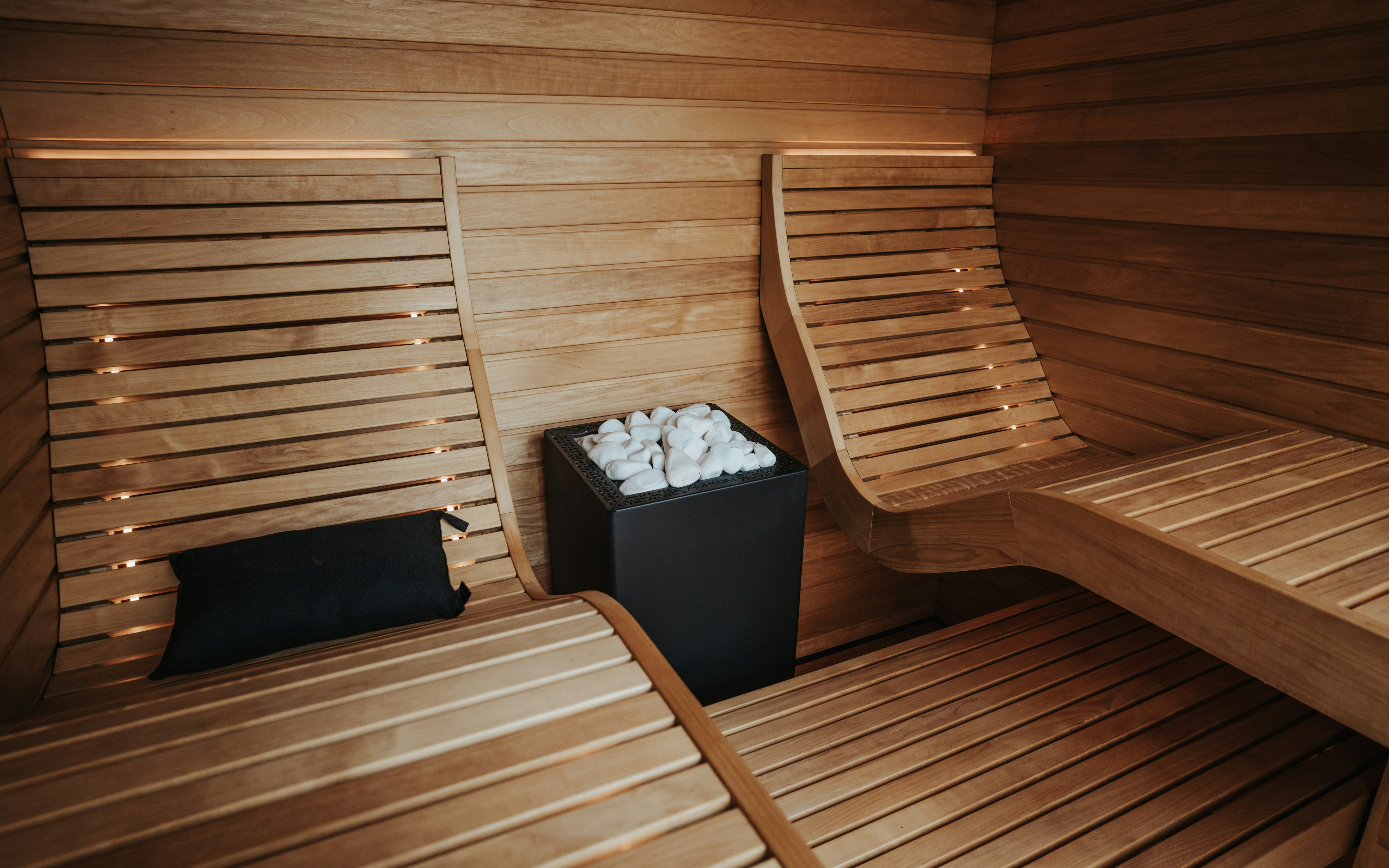
Infrared saunas are unique in that the heat is not transmitted through the air, but directly through rays that penetrate deeper into the tissues. For this reason, the effect reaches not only the surface of the skin, but also the deeper layers. This is particularly relevant when it comes to collagen production, as the most important regeneration processes take place in the deeper layers of the skin.
Scientific studies show that infrared rays can stimulate cell activity and support tissue regeneration. With regular use of an infrared sauna, the skin can become more elastic and smoother, and fine wrinkles become less noticeable. This effect is often described as natural skin rejuvenation without invasive measures.
Rejuvenated skin – not just a visual effect
It is important to note that the benefits of the sauna for collagen production are not limited to aesthetics. Improved skin structure means a stronger protective barrier, better moisture retention, and less sensitivity to external irritants. This is especially relevant for mature skin, which tends to dry out more quickly and react to changes in temperature or weather.
The importance of drinking water during a sauna
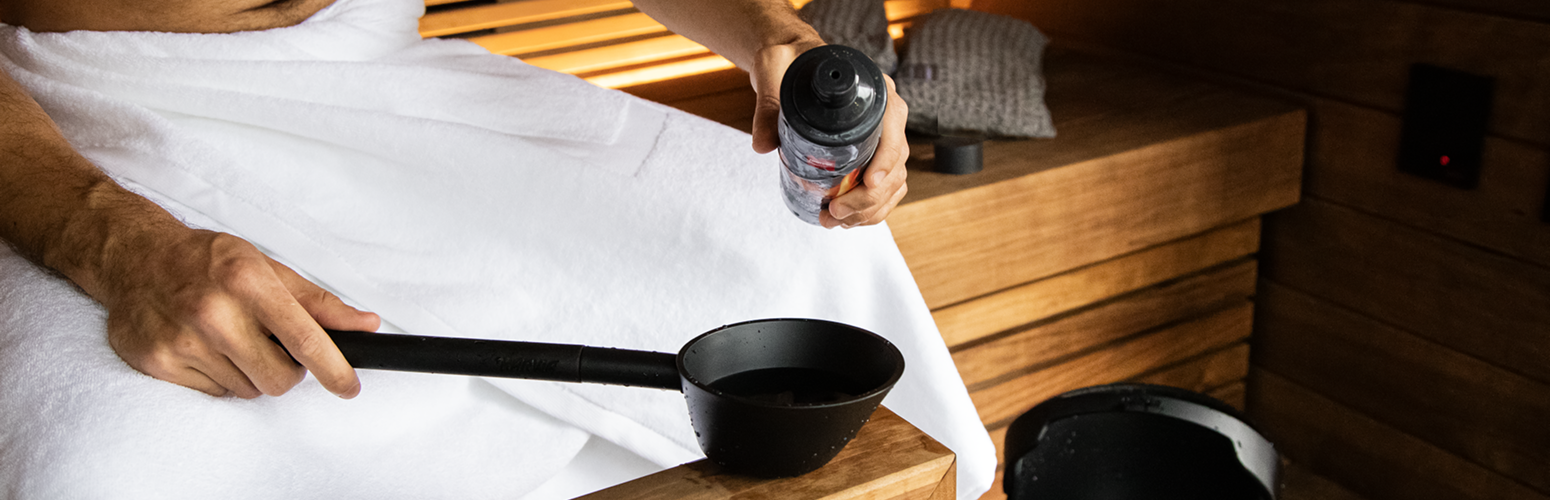
When talking about collagen production and skin condition, one essential factor cannot be overlooked – water. During a sauna session, the body loses a lot of fluids through sweat, so proper hydration before, during, and after the session is essential.
Water is important for collagen synthesis processes because without sufficient fluids, the skin cannot maintain its elasticity and regeneration processes slow down. Dehydration can negate some of the positive effects of the sauna, as the skin becomes drier and more vulnerable. It is therefore recommended to drink small amounts of water before the sauna, replenish fluids during breaks, and be sure to restore their balance after the session.

How to safely enjoy the benefits of the sauna for your skin?
To get the maximum benefit for collagen production, it is important to use the sauna in moderation. Sessions that are too long or too hot can have the opposite effect – drying out or irritating the skin. It is also important to allow the skin to calm down after the sauna, avoid aggressive cosmetics, and take care of moisturizing.
Saunas, especially infrared saunas, can become an important part of natural skin care. They help stimulate blood circulation, support collagen production, and contribute to a rejuvenated skin feel. However, only when used properly, combined with adequate water consumption and a moderate regimen, can saunas achieve long-lasting and safe results.