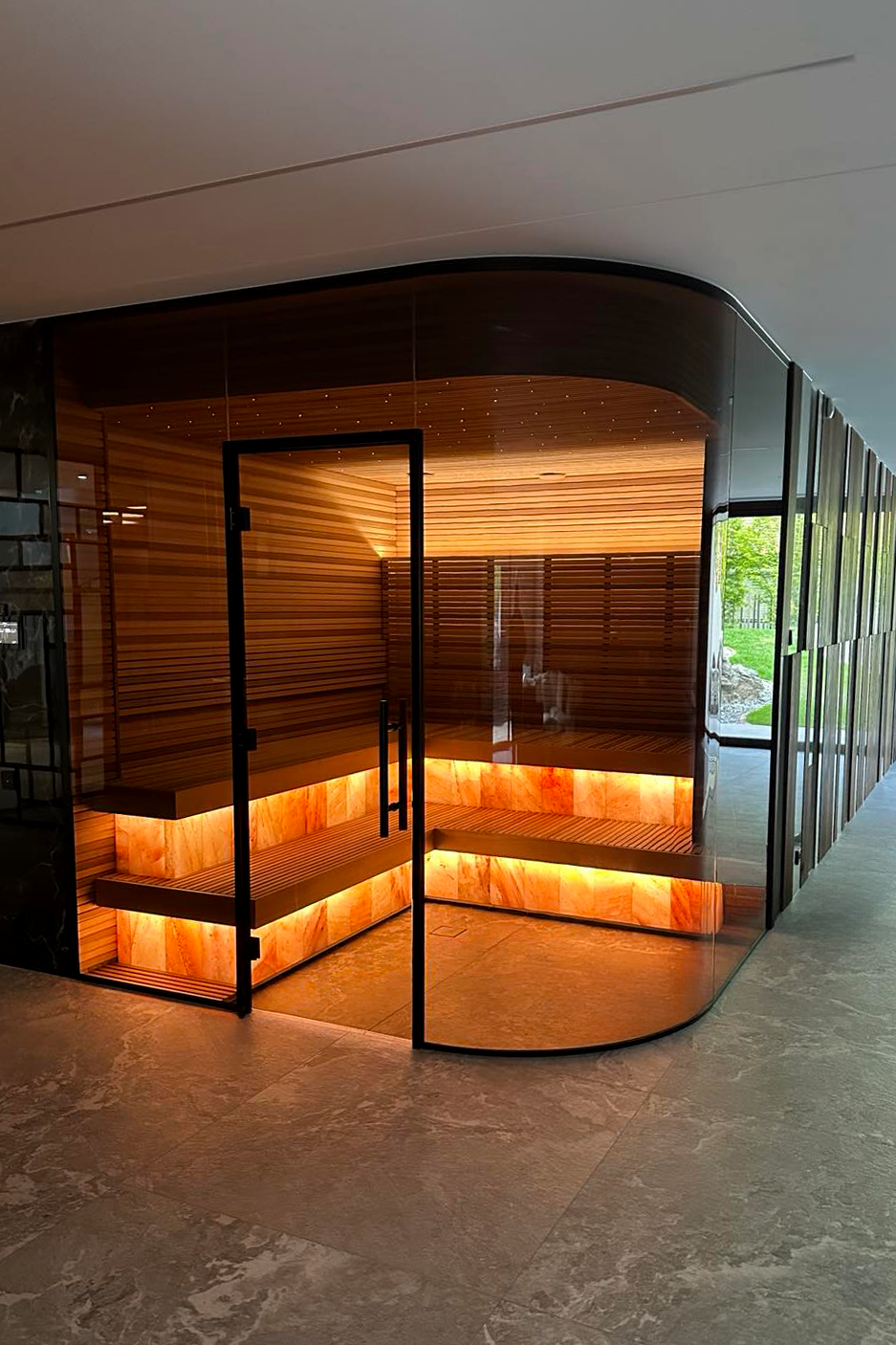


















Himalayan salt is a natural product rich in minerals that has become increasingly popular in recent years, not only in the kitchen, but also in saunas and whirlpool baths. Its soft pink color, natural minerals, and unique properties provide not only aesthetic beauty but also additional health benefits that complement sauna therapy rituals.
Why is Himalayan salt in the sauna more than just decoration?
Himalayan salt is extracted from ancient salt deposits that formed millions of years ago and have remained virtually unchanged to this day. It contains more than 84 trace elements and minerals, such as magnesium, calcium, potassium, and iron, which differ visually and chemically from regular table salt. In the hot air of the sauna, the salt begins to release negative ions – small particles that improve air quality. These ions are associated with improved well-being, reduced stress, easier breathing, and more restful sleep. In addition, salt is a natural antibacterial agent that helps create a healthier environment in the sauna, reduces allergy symptoms, and promotes skin regeneration, especially when combined with heat and humidity.
What results can you expect?
Himalayan salt used in saunas can:
- Improve air quality and breathing. Salt ions can help clear the airways and reduce unpleasant symptoms of allergies or colds.
- Help reduce stress and promote relaxation. The salt microclimate in the sauna is often considered calming and mood-enhancing.
- Improve skin condition. The effects of minerals and salt in hot air can help remove dead skin cells and promote regeneration.
- Improve overall well-being – the salt microclimate stimulates natural bodily functions and improves blood circulation.
How to use Himalayan salt in the sauna
There are several popular and effective ways to use Himalayan salt in the sauna:
1. Salt lamps and light elements
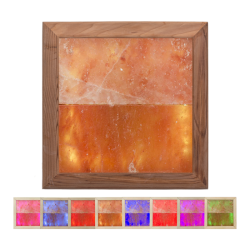
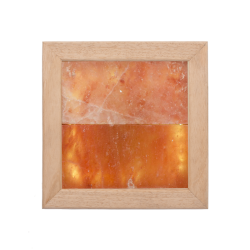
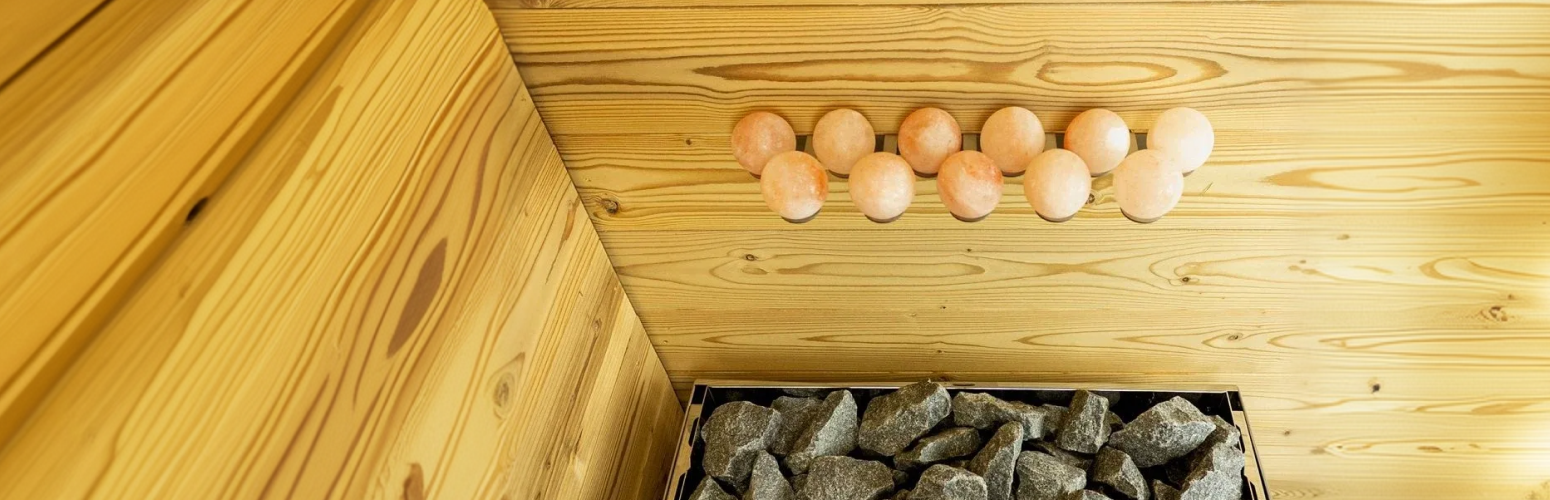
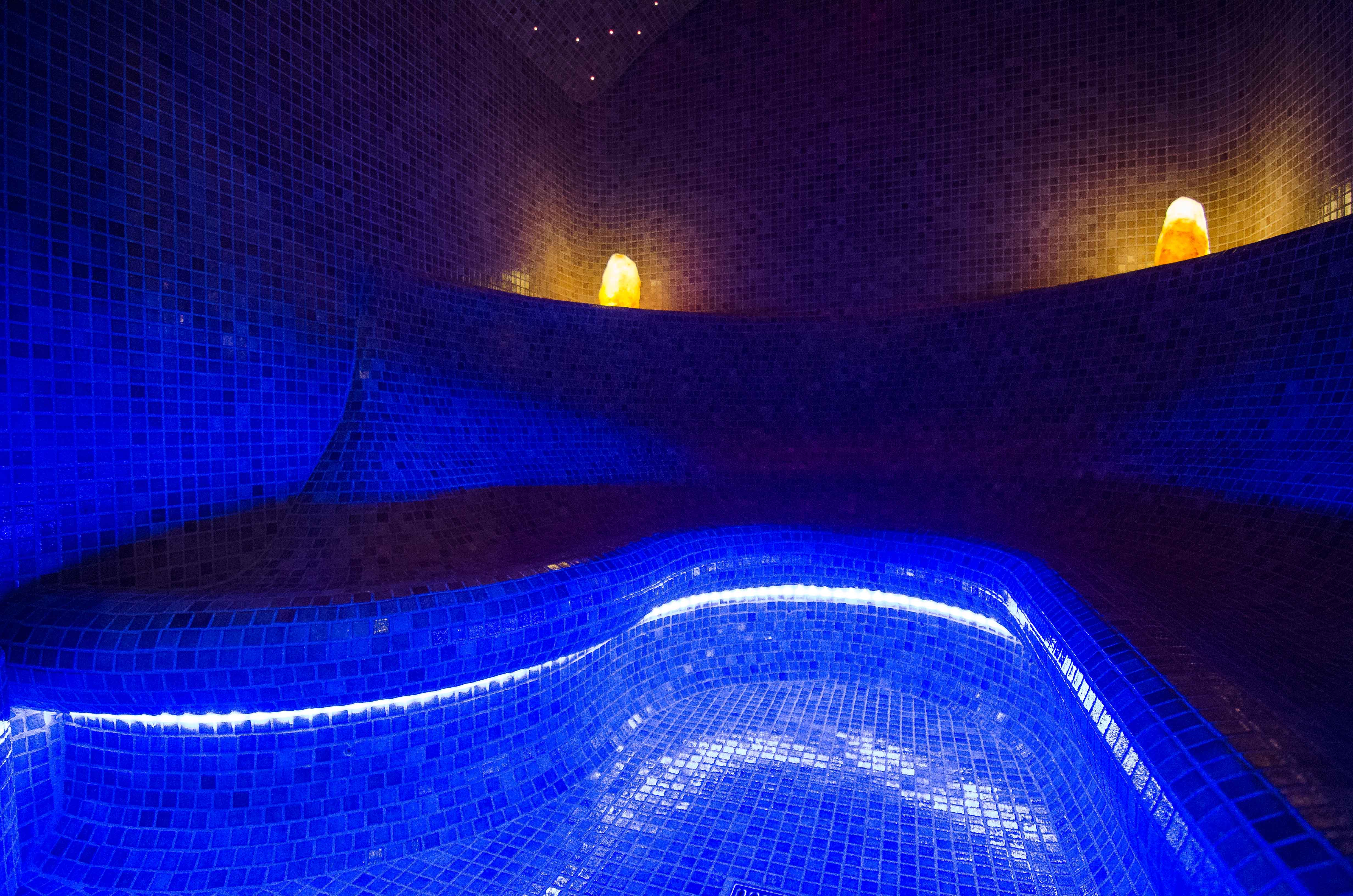
Special Himalayan salt lamps not only emit a warm, cozy light, but also slowly release mineral scents and ions into the sauna air. Such lamps are often mounted on the wall or placed on shelves – they create a calm, gentle atmosphere and help to reduce tension. These salt lamps can have a wooden frame or a grid design to withstand high temperatures and remain safe.
They blend perfectly into the interior and create both an aesthetic and therapeutic effect.
2. Salt wall in the sauna
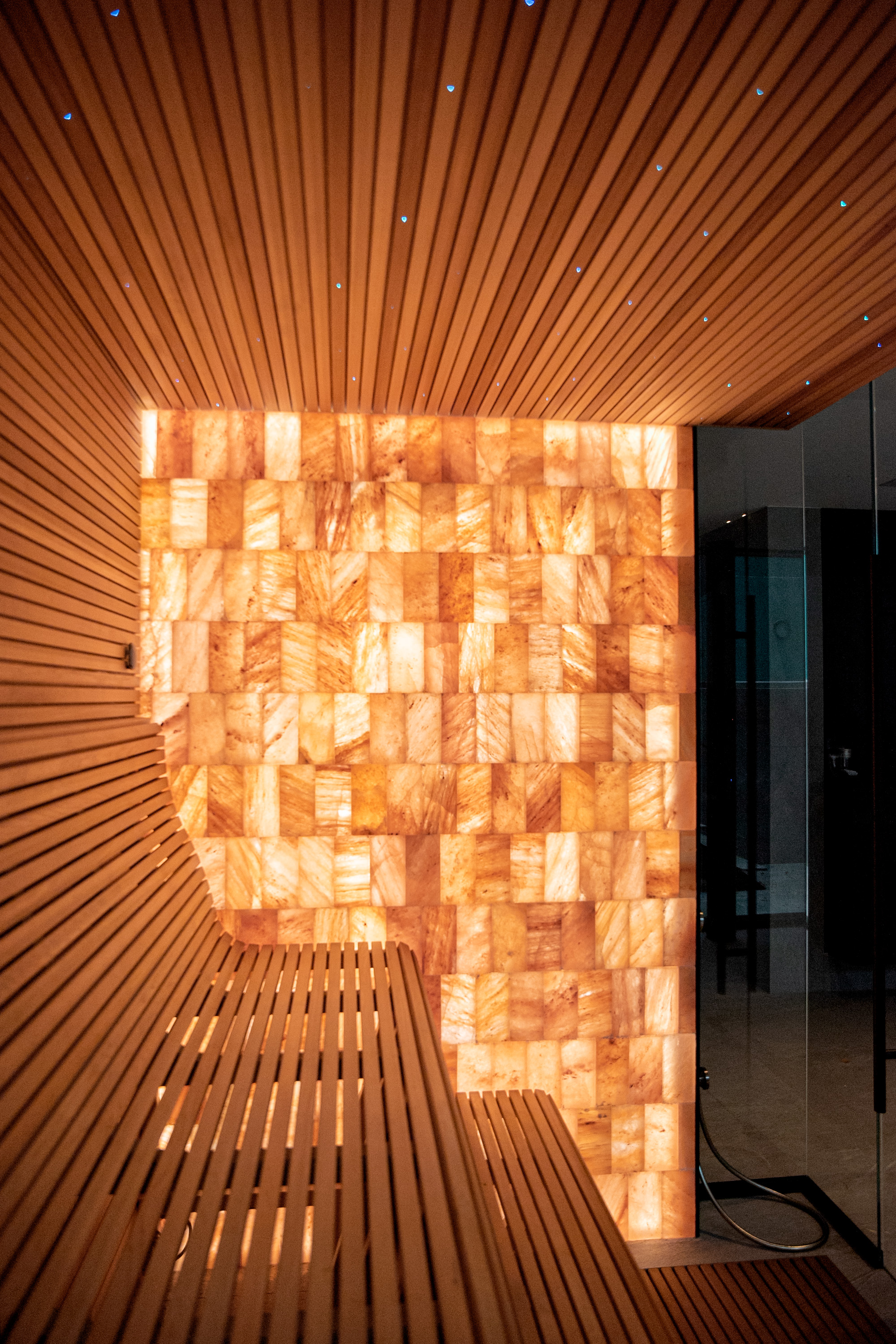
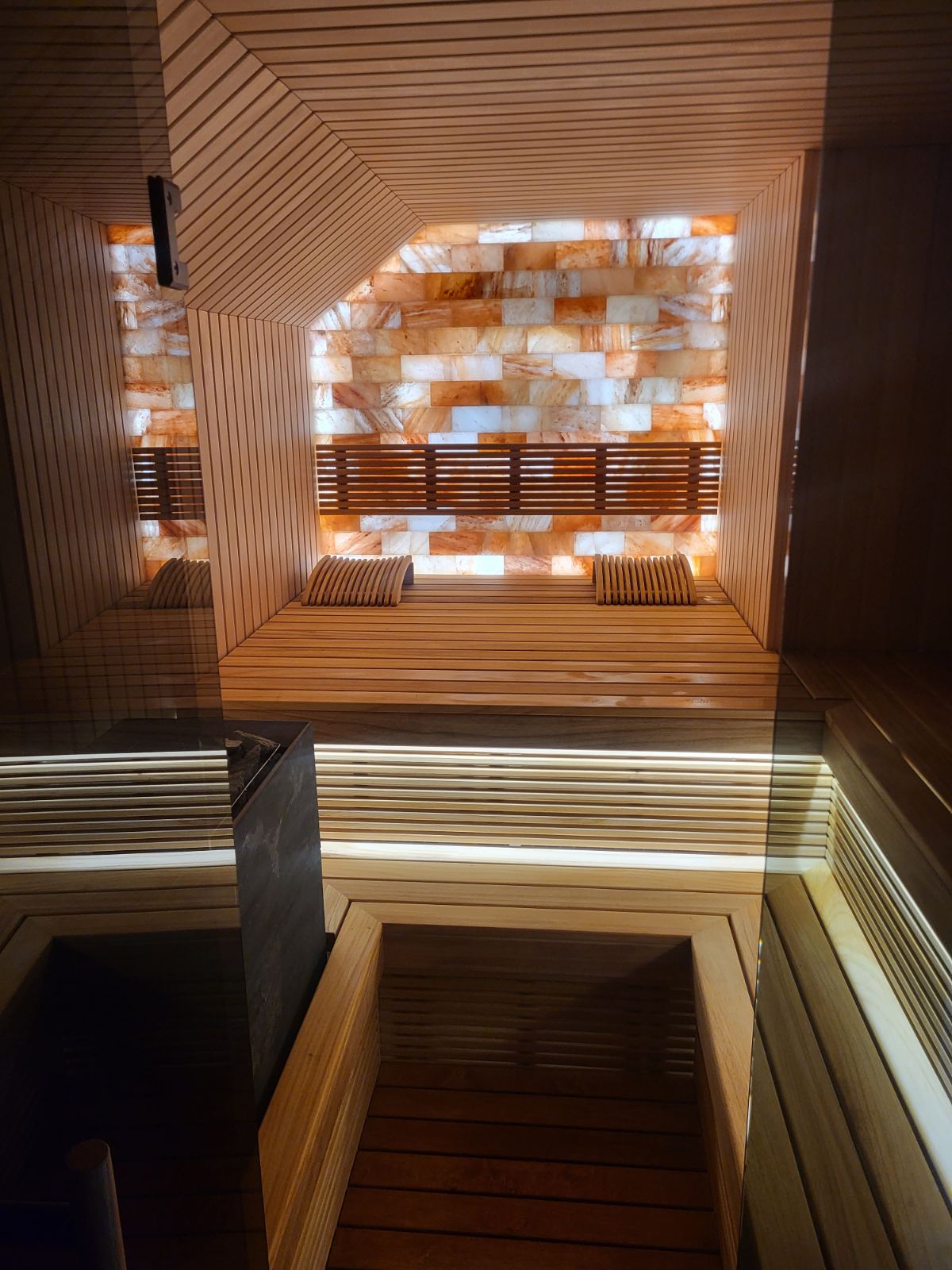
With a full salt wall, the sauna looks like a natural salt cabin or grotto. This solution not only looks beautiful, but also enhances the effect of halotherapy, as a larger salt surface means more ions in the air and a more gradual release of salt particles. The salt wall can be integrated into the side or rear walls of the sauna so that it is exposed to the heated space but does not come into direct contact with the heat sources. This design is not only beautiful but also functional.
3. Salt blocks and balls
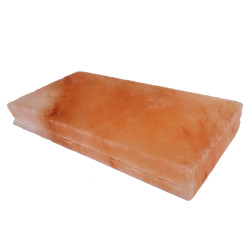
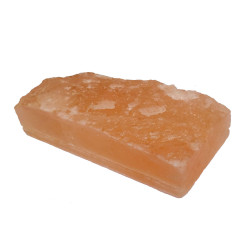
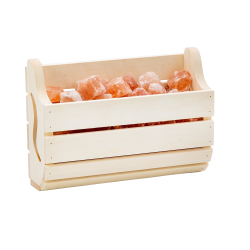
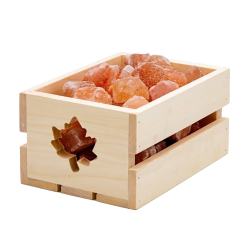
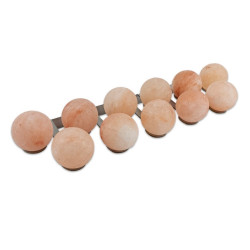
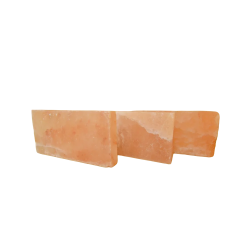
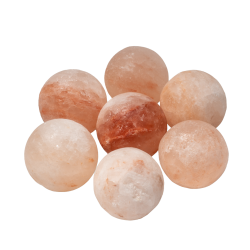
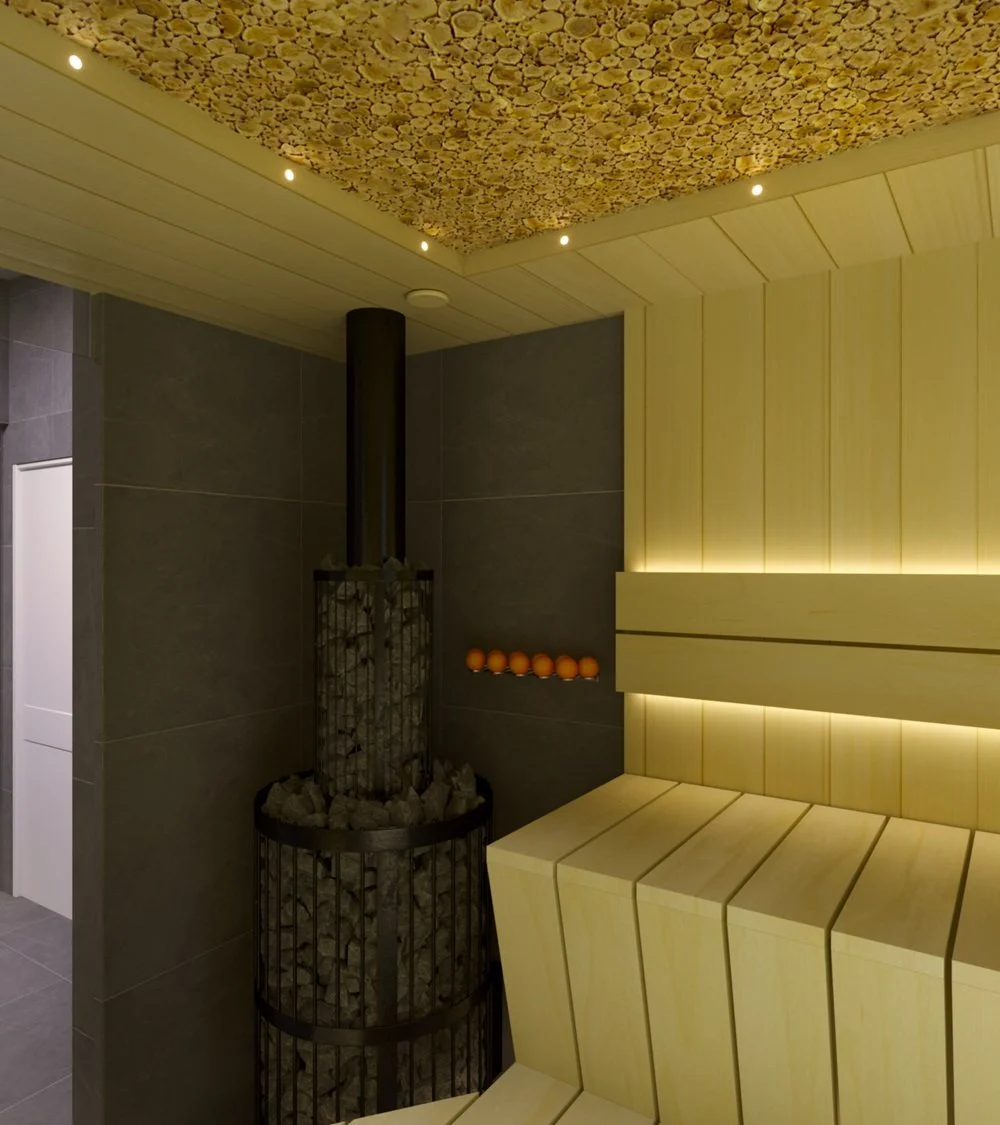
This is a simple and flexible way to add salt to the sauna space. Salt blocks, natural pieces, or decorative balls are usually placed near the benches or on shelves. The heat gently warms them, and the salt begins to release into the air.
Such salt elements are cheaper and easily replaceable: they can be moved, cleaned, or replaced as needed, thus adapting to different sauna rituals.
What types of saunas are Himalayan salt suitable for?
Himalayan salt is suitable for many types of saunas:
Traditional wooden sauna
Salt blends perfectly with the natural wooden interior of the sauna – this aesthetic creates a harmonious environment where minerals and wood complement each other.
Salt sauna or halotherapy cabin
In such specialized saunas, Himalayan salt is integrated as the main therapeutic material, often in combination with steam or humidity control systems.
Home sauna
Even in smaller home saunas, Himalayan salt lamps, blocks, or walls can create a halotherapy microclimate that enriches the sauna ritual even without professional systems.
How to use it correctly and safely?
To get the most out of Himalayan salt in the sauna, it is worth following a few rules:
- Do not use near direct heat sources. Salt blocks should not be placed on the hot stove itself or directly on hot metal to prevent them from burning or cracking.
- Maintain balance. The salt should be spread evenly – too much salt can cause an overly intense sensation of salt in the air, while too little will not achieve the desired effect.
- Clean regularly. Wipe the salt surface from sweat or moisture from time to time to keep the air clean and maximize ion release.
- Combine with other elements. The effect of salt works better in combination with soft lighting, soothing music, and aromatherapy, creating a comprehensive sensory therapy.
Himalayan salt in the sauna is not only an aesthetic detail but also a functional wellness element. It can improve air quality, breathing, skin condition, and overall well-being when used correctly and thoughtfully. Whether it's a salt wall, special lamps, or simple salt blocks, they will naturally complement your sauna ritual, providing both physiological and emotional benefits.