


















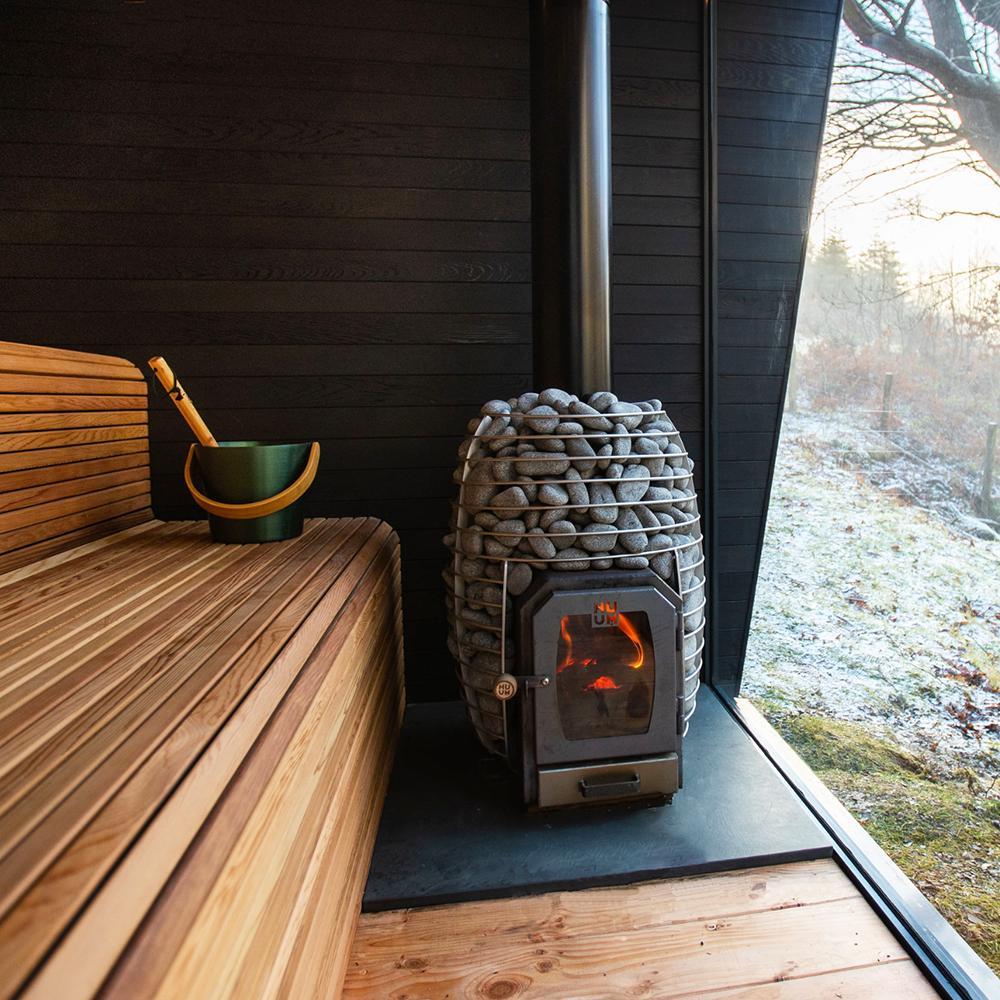
A wood-burning sauna heater is often seen as the most authentic way to enjoy a sauna. The crackling fire, natural heat waves, and traditional atmosphere create an experience that many sauna enthusiasts consider unmatched. But does that mean a wood-burning sauna heater is the right choice for everyone?
In reality, the answer depends on your location, lifestyle, maintenance expectations, and how often you plan to use your sauna. While wood-fired sauna heaters offer unique benefits, they also require more involvement compared to electric models.
Why People Choose a Wood-Burning Sauna Heater
The main reason homeowners choose a wood-burning sauna heater is the atmosphere. The heat feels softer and more natural, especially when combined with properly heated sauna stones. The fire creates a gradual warming process, which many users describe as more “alive” compared to electric heating.
Key advantages include:
- Authentic sauna experience with natural fire
- No dependency on electricity (ideal for remote areas)
- Lower long-term operating costs in regions with expensive electricity
- Strong heat output suitable for larger sauna rooms
In rural areas or properties without stable electrical capacity, a wood-burning heater can be the most practical and reliable solution.
What Many Buyers Underestimate
However, a wood-burning sauna heater requires manual work. You need dry firewood, proper storage space, and time to prepare the fire before each session. Unlike electric heaters, which heat up with the push of a button, wood-fired models demand attention and temperature control.
Important considerations include:
- Firewood preparation and storage
- Chimney installation and regular cleaning
- Fire safety regulations in your country
- Manual temperature regulation
If you are looking for a quick, low-maintenance sauna routine, a wood-burning heater may feel demanding.
Heating Time and Temperature Control
Wood-burning sauna heaters typically require more time to reach the desired temperature. Depending on the sauna size and outdoor conditions, heating can take 45–90 minutes. However, once properly heated, they deliver powerful and stable heat.
Temperature control is manual. Airflow must be adjusted carefully to avoid overheating or excessive smoke. A well-managed fire ensures efficient combustion, better heat output, and fewer emissions.
For users who enjoy the ritual of preparing the sauna, this process is part of the experience. For others, it may feel inconvenient.
Installation and Safety Requirements
Installing a wood-burning sauna heater requires more planning than installing an electric model. You will need:
- A properly insulated chimney system
- Non-combustible floor and wall protection
- Compliance with local building and fire safety regulations
- Safe distance from combustible materials
Regulations vary across European countries, so it is essential to check national building codes before installation.
Operating Costs: Wood vs Electricity
In some regions, firewood is affordable and easily available, making wood-burning sauna heaters cost-effective over time. In other countries, especially urban areas, sourcing dry firewood can be more expensive and less practical.
Electric sauna heaters offer predictable energy consumption and minimal effort. Wood-burning heaters may reduce electricity bills but increase time investment.
Who Should Choose a Wood-Burning Sauna Heater?
A wood-burning sauna heater may be the right choice if:
- You value traditional sauna rituals
- You own a rural property or cabin
- You have access to affordable dry firewood
- You do not mind manual preparation
- You prefer stronger, more intense heat cycles
On the other hand, an electric sauna heater might suit you better if you prefer convenience, faster heating, and minimal maintenance.
Final Verdict: Is It for Everyone?
A wood-burning sauna heater is not universally suitable for every household. It offers authenticity, independence from electricity, and powerful heat performance. However, it also requires time, effort, and adherence to safety regulations.
The best sauna heater is not the most traditional or the most modern — it is the one that fits your environment, habits, and expectations. Before making a decision, consider how often you will use your sauna, how much time you are willing to invest, and what kind of experience you truly want.