

















Red light therapy and infrared saunas have recently been gaining attention in the wellness industry. Both practices are associated with improved well-being, relaxation, and regeneration of the body, but their principles of operation and effects on the body differ. In order to choose the most suitable option or safely combine both therapies, it is important to understand how they are similar, how they differ, and when to use each one.
What is red light therapy?
Red light therapy is based on the effects of low-intensity red or near-infrared light. This light is not thermal, so it does not heat the body or raise the ambient temperature. Its effect occurs at the cellular level – the light penetrates the tissues and stimulates the mitochondria, which are responsible for energy production in cells. For this reason, red light therapy is most often associated with tissue regeneration, inflammation reduction, skin condition improvement, and faster muscle recovery. When used regularly, it can help improve skin elasticity, stimulate collagen production, reduce the appearance of fine lines, and improve overall skin tone.
Infrared sauna and how it works
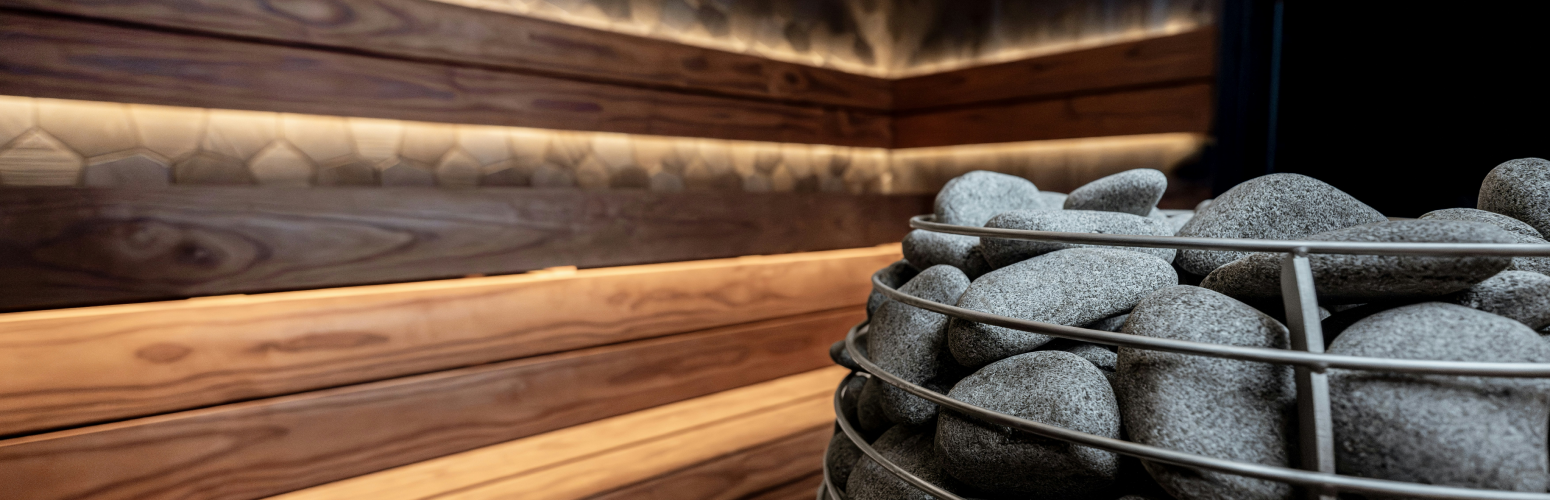
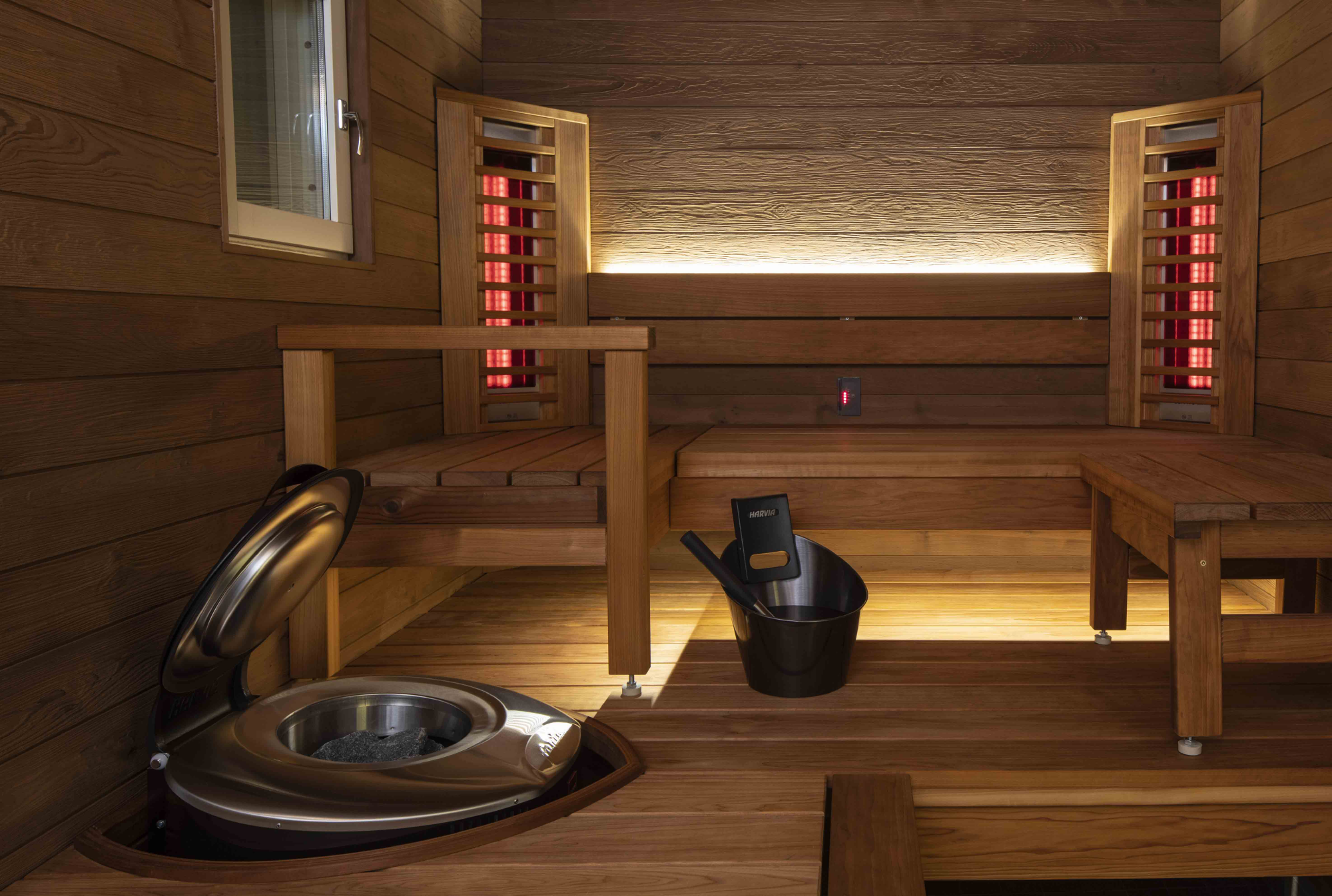
An infrared sauna works on a different principle than a traditional sauna. In it, heat is not transmitted through the air, but directly through infrared rays, which warm the body's tissues. The heat penetrates deeply, causing the body to sweat more intensely even at lower temperatures. This effect stimulates blood circulation, relaxes muscles, and helps the body eliminate accumulated toxins through sweat. Infrared saunas are often chosen to reduce tension, improve sleep quality, and overall well-being.
Key differences between the two practices
Although both therapies use light or radiation, their goals are different. Red light therapy is more focused on cell regeneration and skin and tissue repair, while infrared saunas work through heat, promoting sweating and overall relaxation of the body.
The similarity lies in the fact that both practices can contribute to better well-being, but they are not substitutes for each other and work through different mechanisms.
When is it worth choosing red light therapy?
Red light therapy is more suitable in cases where the aim is to improve skin condition, reduce inflammatory processes, or stimulate tissue regeneration. It is often chosen after physical exercise, during rehabilitation, or as an additional measure in a skin care routine. Since this therapy does not involve heat, it is also suitable for those who cannot tolerate high temperatures or intense sweating.
When is an infrared sauna more suitable?
An infrared sauna is more often chosen when deeper relaxation, more intense sweating, or a general "reboot" of the body is desired. It is suitable after a hard day's work, physical exertion, or sports training. This sauna has a greater effect on the entire body, so its effects are felt not only locally but also systemically.
Can both procedures be combined?
Both practices can be combined, but this should be done carefully. It is usually recommended to use the infrared sauna first, and then, after a short rest and cooling down of the body, red light therapy. This sequence allows the body to relax through heat and then stimulates regenerative processes. It is important to monitor how you feel and not to overload your body, especially if the procedures are performed frequently.
Skin care after procedures

After red light therapy, the skin is usually not irritated, but it is recommended to moisturize it and avoid strong irritants for a while. After an infrared sauna, the skin becomes more sensitive because the pores are open. For this reason, it is not recommended to go to a chlorinated pool or use aggressive cosmetics immediately after the procedure. It is best to take a gentle shower, restore moisture balance, and allow the skin to calm down gradually.
Red light therapy and infrared saunas are valuable wellness practices for different purposes. Understanding how they work and how they differ allows you to use them consciously, safely, and achieve the best results.