



















Warm water is increasingly being described as a daily ritual — in the morning, before bed, or after a demanding day. Across Europe, online searches related to “hot water” and its effects on wellbeing continue to grow.
But warm water is only one form of heat exposure. To understand why it feels calming, we need to look at how heat in general affects the human body.
This article explores the warm / hot water drinking ritual and explains how it connects to broader heat exposure — and why sauna bathing creates a deeper physiological response.
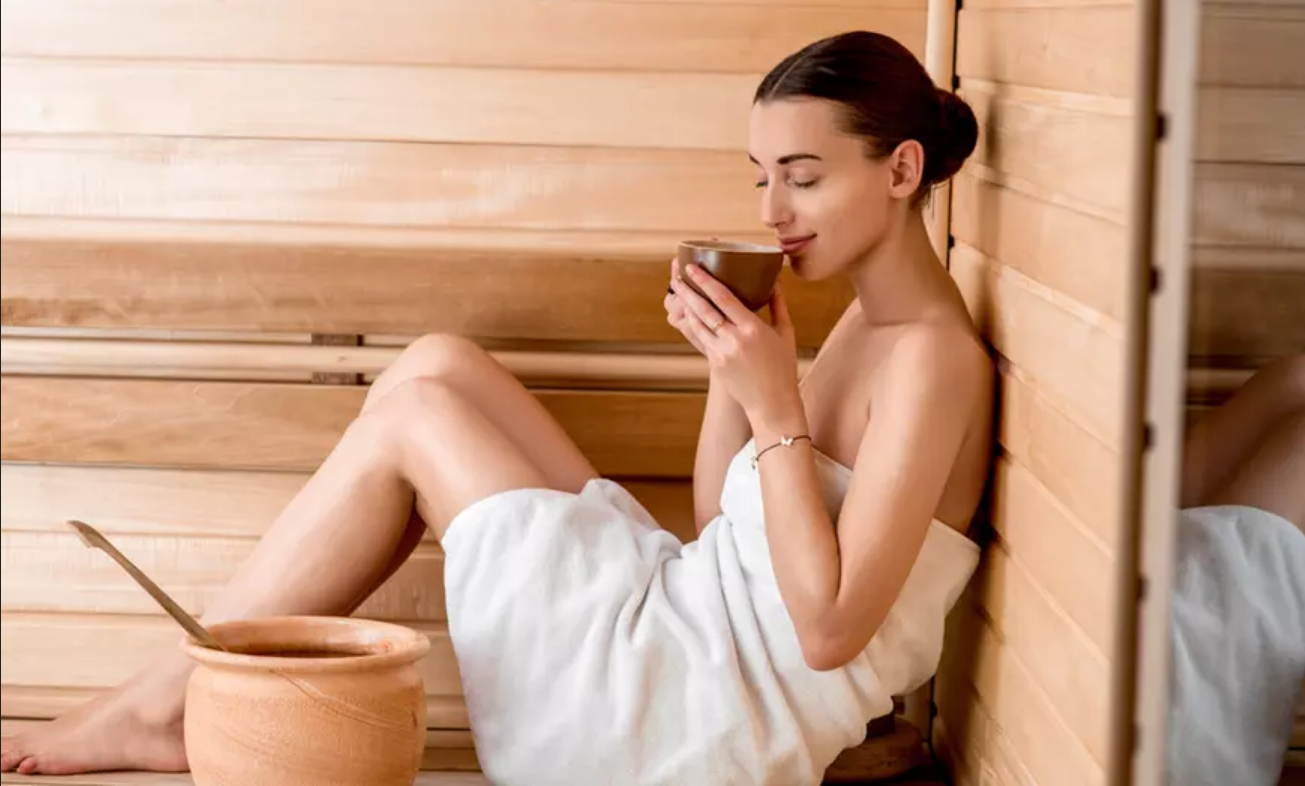
Why Has the “Hot Water Ritual” Become So Popular?
Modern lifestyles bring constant stimulation, screen exposure, and mental overload. As a result, many people are searching for simple, accessible ways to unwind.
Drinking warm water is often perceived as:
- Easy to implement
- Low-cost
- Natural
- Gentle on the body
Search interest in “hot water benefits” is growing because people notice that warmth can help:
- Ease daily tension
- Relax tight muscles
- Support the transition from activity to rest
However, these effects are not caused by water itself — they are linked to heat.
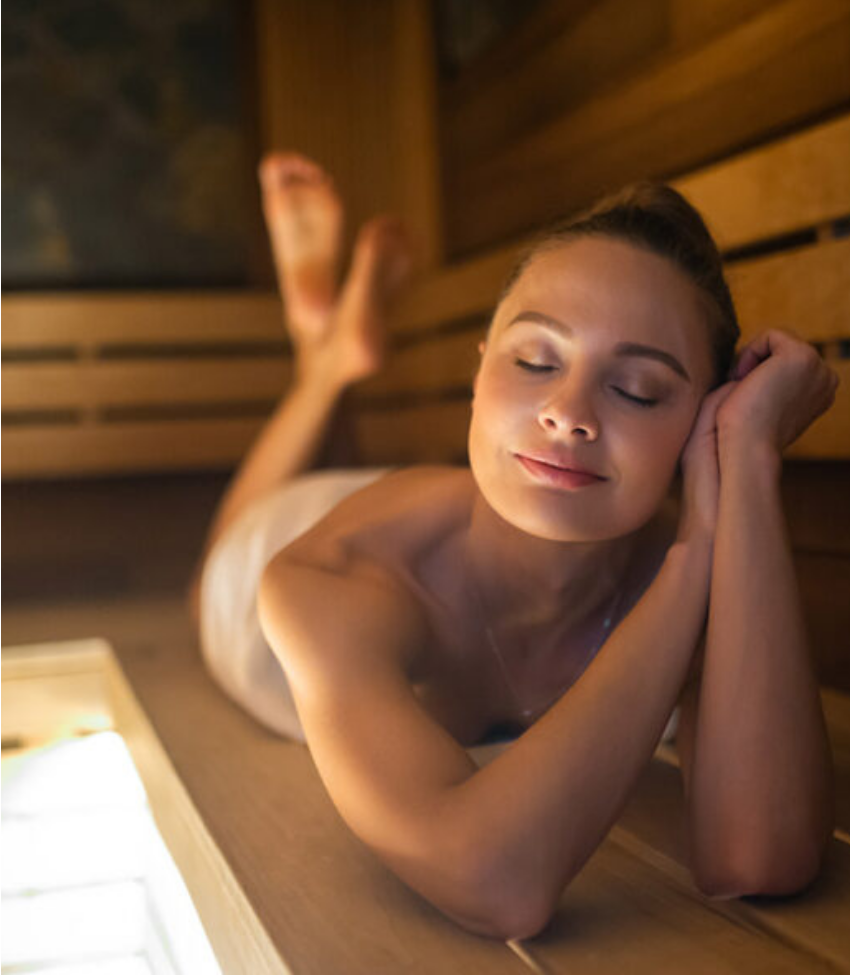
How Heat Affects the Body and Nervous System
When the body is exposed to warmth, blood vessels dilate, circulation improves, and tissues receive more oxygen. At the same time, the body may shift toward parasympathetic nervous system activity — the state associated with recovery and relaxation.
This is why heat exposure is often associated with:
- Physical relaxation
- Slower breathing
- A reduced sense of stress
Importantly, the impact of heat depends not only on temperature, but also on how the heat is delivered to the body.
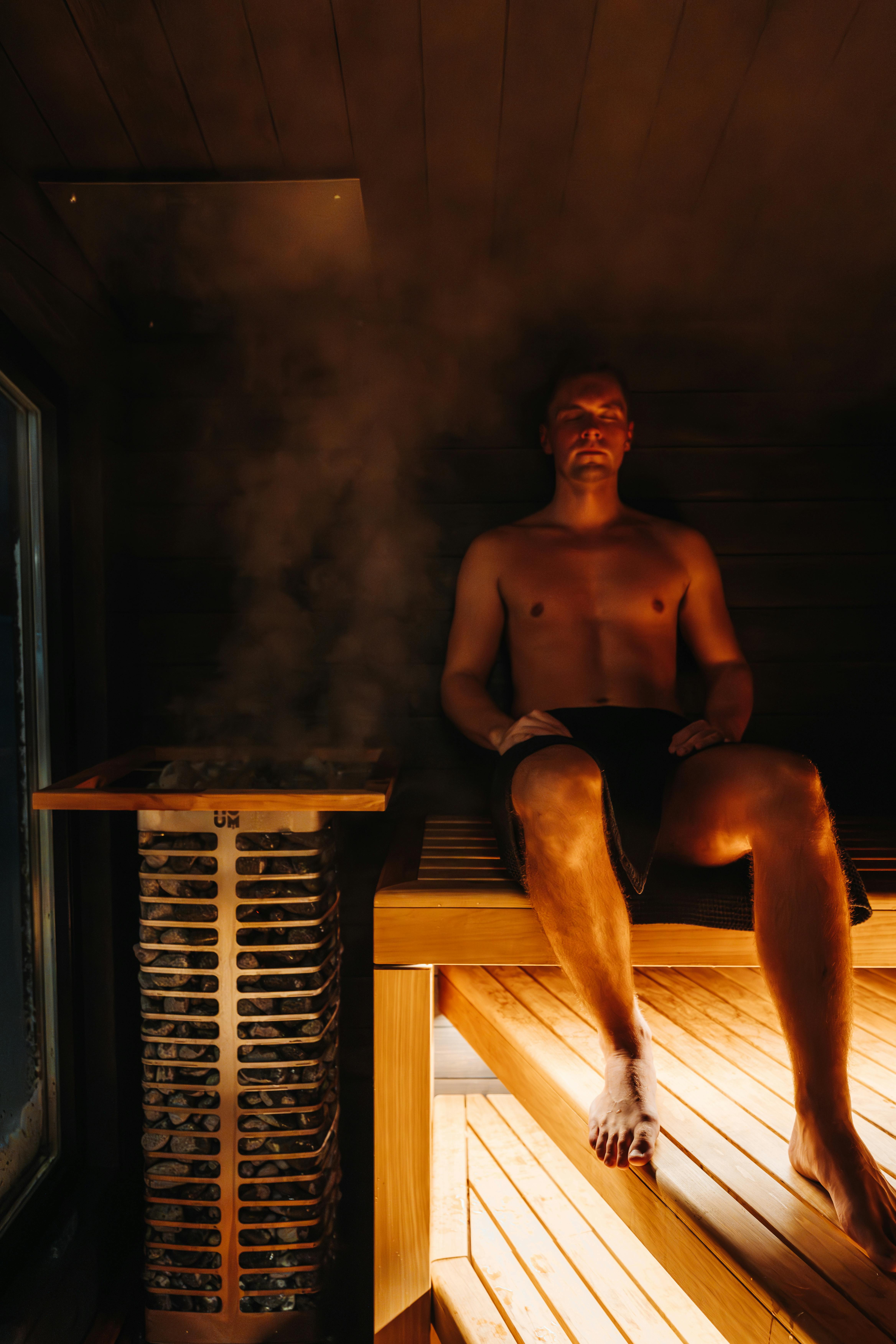
Drinking Warm Water vs. Surrounding the Body with Heat
When you drink warm water, the warming effect is brief and localised. The liquid quickly adjusts to internal body temperature, which limits the duration and intensity of the effect.
In contrast, external heat exposure — such as a hot shower or sauna — affects a much larger surface area and engages broader physiological processes.
With external heat:
- Warmth is distributed more evenly
- The effect lasts longer
- The body has time to activate thermoregulation mechanisms
This distinction is essential when comparing a hot water ritual with intentional heat exposure practices.
Why Sauna Is Considered a More Effective Form of Heat Therapy
Sauna bathing creates a stable, controlled heat environment that affects the entire body at once.
Unlike short-term contact with warm water, sauna heat:
- Works through the skin and circulatory system
- Activates natural thermoregulation
- Encourages a gradual shift from alertness to deeper relaxation
For this reason, sauna culture in Europe is often viewed not as a quick fix, but as a structured heat ritual that supports long-term wellbeing.

When Is Warm Water Enough — and When Is Sauna the Better Choice?
Drinking warm water can be a helpful micro-ritual in the morning or evening. It may support hydration and create a moment of calm.
However, if the goal is deeper physical relaxation or consistent heat exposure benefits, warm water alone is usually limited.
In such cases, sauna bathing provides:
- Longer heat exposure
- Greater surface impact
- A more stable and controlled environment
Using Heat Safely at Home
Regardless of the method — warm water, shower, or sauna — moderation is essential. Heat should feel restorative, not overwhelming.
Used consciously, heat can become a sustainable part of a daily or weekly recovery routine.